





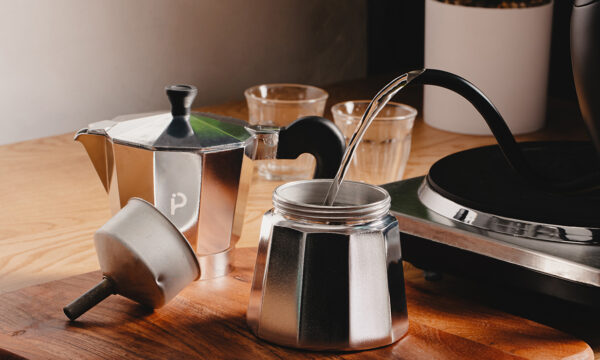
How to Use a Moka Pot: Your Guide to Making Perfect Italian-Style Coffee
The moka pot has been a safe bet for coffee lovers for over 80 years and shows no signs of…



Written by Monica
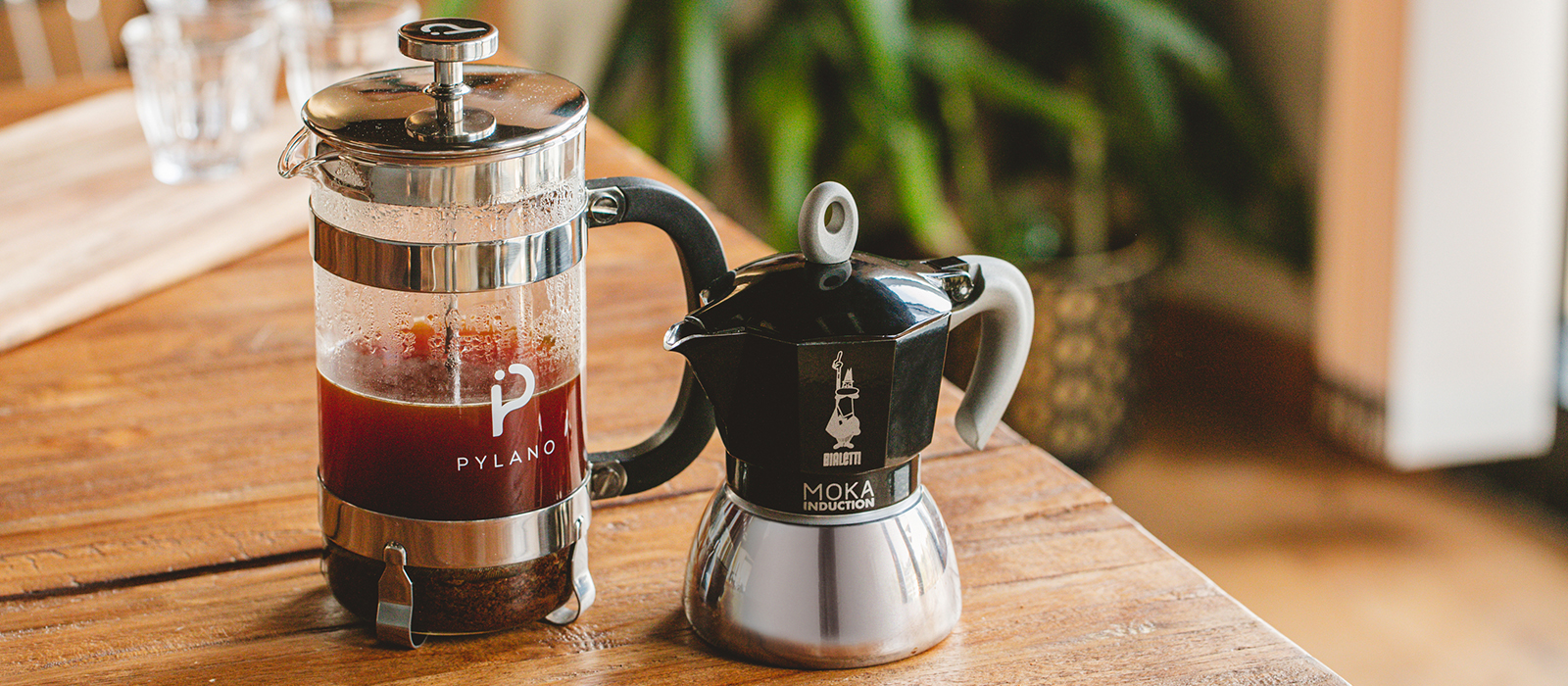
Reading time 12 minWhen it comes to manual coffee brewing methods, two timeless favourites often come head to head: the moka pot and the French press (also called a cafetiere). Both are affordable, easy to use, and capable of producing great coffee at home. The main difference between these two brewing methods lies in extraction: the moka pot uses pressure to create concentrated, espresso-style coffee, while the French press steeps grounds in water for a fuller-bodied cup. This guide will break down the moka pot vs French press comparison to help you decide which deserves a place in your kitchen.
Test directly on video
Our Youtube channel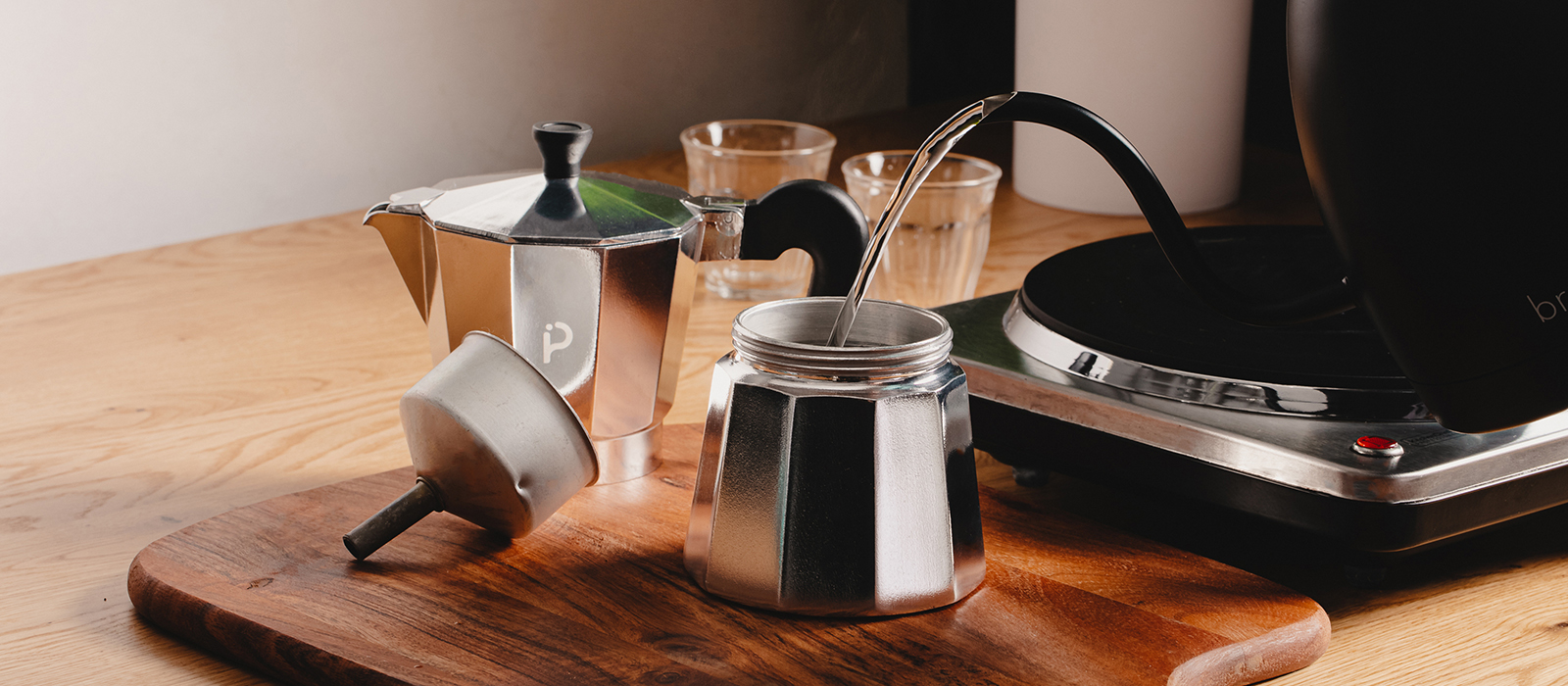
The moka pot — also known as the Italian moka pot, coffee moka maker, or stovetop espresso maker — is a classic stovetop coffee brewer invented in 1933 by Alfonso Bialetti in Italy. The iconic Bialetti Moka Express coffee maker, with its distinctive octagonal design, quickly became a symbol of Italian coffee culture and remains one of the most recognisable brewing devices worldwide.
The Italian coffee maker was a great success from the outset, lasting until the Second World War. After the war, Alfonso Bialetti’s son took over the company and made changes to distinguish their goods from counterfeits. Mainly used in Europe, this coffee maker revolutionised homemade coffee and is now a must-have in any kitchen.
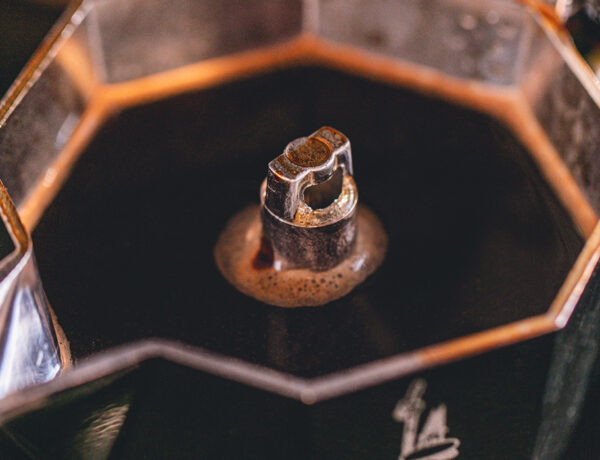
A moka pot consists of three main chambers:
As the water heats on the stove, pressure builds and forces the hot water upward through the coffee grounds. The extracted coffee then rises into the top chamber. While it doesn’t match the pressure of a true espresso machine, the moka pot produces a concentrated brew that’s much stronger than drip or French press coffee.
Most moka pots are made from either aluminium or stainless steel. Aluminium is lighter and less expensive, but stainless-steel coffee makers work on all types of stoves. Aluminium moka pots are not compatible with induction stovetops.
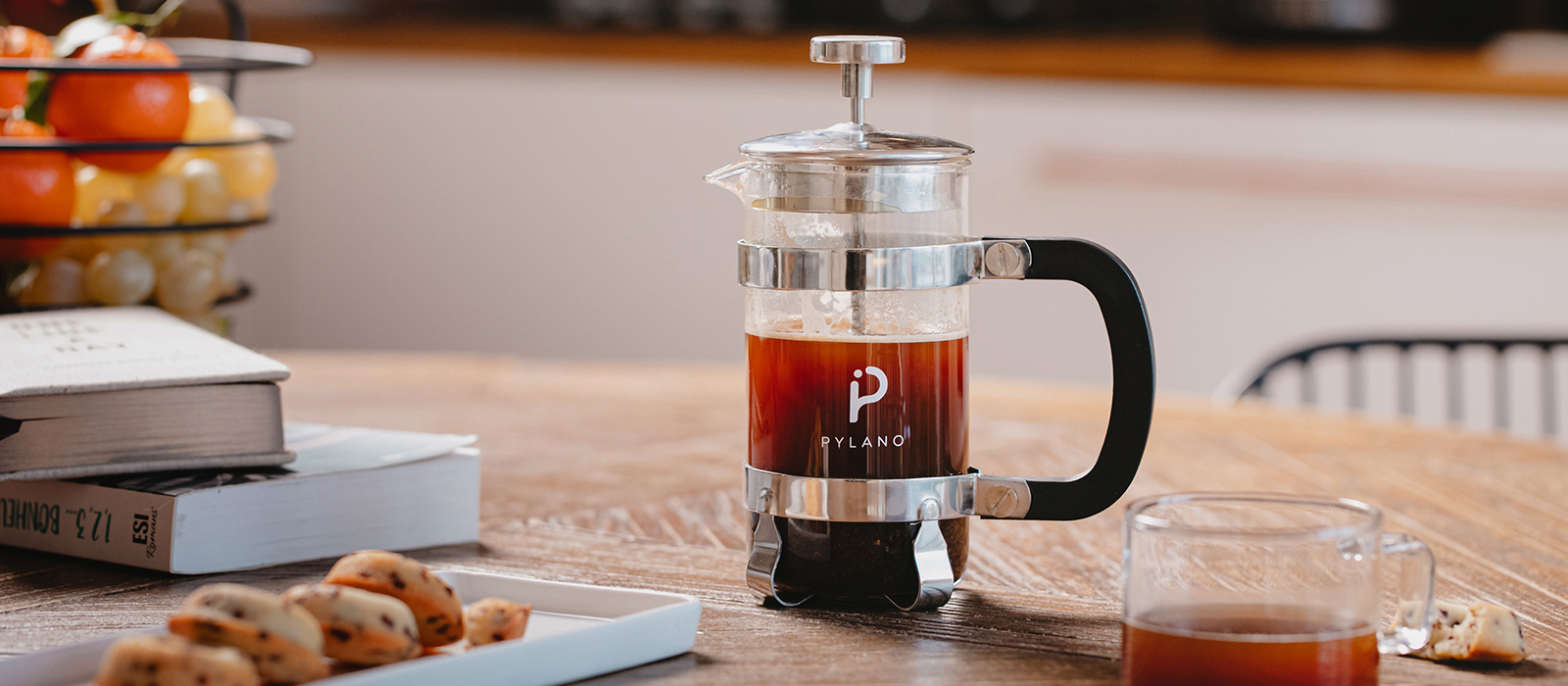
A cafetiere (commonly known as a French press) is a simple immersion coffee maker that has been popular in homes since the 19th century. It was officially created in the 1890s by Frenchman Marcel-Pierre Paquet who, in 1923, registered the patent. It is often wrongly attributed to the Italian Attilio Calimani whose patent dates from a later date (1929). He was, however, the first to market it. In 1959, Faliero Bondanini launched the first production of the coffee press in a factory in France, hence the name ‘French Press‘.
Unlike the Italian moka pot, it does not use pressure. Instead, it relies on steeping coffee grounds directly in hot water before separating them with a metal mesh filter. This immersion method allows more natural coffee oils to remain in the cup, resulting in a fuller body and richer mouthfeel compared to filtered methods.
The cafetiere is also a versatile brewer. You can use it to steep loose-leaf tea or make cold brew, which makes it an easy way to enjoy multiple beverages with one simple tool. It works well with a wide range of coffee beans, from medium to dark roasts, and offers an easy way to brew full-bodied coffee at home.
The cafetiere consists of:
To brew, coarsely ground coffee is added to the carafe and covered with hot water. After steeping for around four minutes, the plunger is pressed down to separate the grounds from the liquid. Cleanup involves simply discarding the grounds and rinsing the carafe.
Very recognisable, it is both simple and efficient. Over time, many different models and variations have appeared, some being more stylish or offering particular quality. Some French press makers even feature a double-wall or double-filter system. Regardless of special features, all French press coffee machines work the same way. You can also brew tea by steeping loose leaves in the carafe and using the plunger to separate them once the steeping time is complete.
When comparing moka pot vs French press, the real difference lies in how the coffee is extracted. Although both are manual methods, they rely on completely different brewing mechanics, and the extraction process differs fundamentally. This directly impacts flavor, strength and texture.
The Italian moka pot is a stovetop coffee brewer that uses steam pressure. As water heats in the lower chamber, pressure forces it upward through the coffee grounds. This creates a concentrated, intense brew often associated with espresso-style coffee. However, it’s worth noting that moka pots extract at much lower pressure than an espresso machine, so while the flavor is bold, it doesn’t quite replicate true espresso.
The French press, by contrast, uses immersion. Ground coffee steeps directly in hot water for several minutes before being separated by a metal mesh filter. There is no pressure involved—just time and contact between water and coffee.
In short:
This fundamental difference explains everything that follows in the cup.
Yes, a moka pot produces stronger coffee in terms of concentration.
A moka pot produces a denser, more intense coffee than a French press. It contains more dissolved solids (around 3-4% compared to roughly 2% in drip methods) and has a strong, rich flavor punch, making it ideal for those who enjoy bold coffee or want a base for milk drinks.
However, “stronger” does not necessarily mean more caffeine. While moka pot coffee is more concentrated per ounce, the total caffeine per serving can be surprisingly similar. A typical 6-cup moka pot produces around 200-270mg of caffeine in total, while a full French press can deliver a comparable amount depending on the coffee-to-water ratio and bean type. Neither brewing method rivals the extraction pressure of an espresso machine, but both can pack a satisfying caffeine punch.
The French press produces a strong-tasting coffee too, but in a different way. Its longer immersion extracts oils and depth, resulting in a rich but less concentrated brew.
Another major difference in the moka pot vs French press debate is flavor and mouthfeel.
Moka pot coffee is thick, intense and slightly syrupy. The pressure-driven extraction creates a robust structure with bold, espresso-like flavor notes, often bringing out chocolatey and nutty tones. It works well in small servings and pairs beautifully with milk.
French press coffee is fuller-bodied and rounder, with more natural oils in the cup thanks to the metal filter. The immersion method retains fine particles and coffee oils, creating a smooth, rich and aromatic cup with earthy, deep flavor. It can sometimes contain fine sediment, which adds to the texture.
If you prefer a concentrated, espresso-style coffee, the Italian coffee brewer has the edge. If you enjoy a smoother, oilier and more aromatic cup, the French press is often the better choice.
A moka pot typically takes around 5 minutes on the stove. It requires attention, as overheating can lead to bitterness. Small changes in heat, grind size or brew time can noticeably affect the final flavor, making it slightly more technique-sensitive.
A French press also takes about 4 to 5 minutes, but the process is more forgiving. As long as the grind is coarse and the steep time respected, it’s difficult to ruin a French press brew.
So in terms of ease:
When it comes to choosing between the two, there is no clear winner. It depends on your preferences, daily routine and the type of coffee experience you’re after.
Choosing the right coffee is just as important as choosing between a moka pot and a French press. Because these two brewers extract coffee differently, they require different grind sizes and often suit different roast profiles. If you’re looking for something bolder or more delicate, understanding these differences will help you achieve the best flavor from your chosen method.
When using an Italian moka pot, grind size is crucial. The coffee should be a medium-fine grind (finer than French press coffee, but not as fine as espresso). Always use freshly ground beans for the best results. Coffee that’s too coarse will result in weak, under-extracted coffee. A grind that’s too fine risks bitterness or excessive pressure buildup.
Medium to dark roasts work best for moka pots, as they balance the bold extraction of the stovetop brewing method. These roasts produce rich, chocolatey and nutty notes that complement the concentrated style of moka coffee and deliver deep flavor in every cup.
A French press requires a coarse grind to prevent over-extraction and reduce sediment. Using a medium-fine grind creates muddy texture and bitterness. Medium roasts work particularly well, as the immersion method enhances body and aromatic oils while bringing out sweetness and flavor complexity. Light to medium roasts are ideal if you’re after something with more nuanced, fruity or floral notes.
Technically yes, but it’s not ideal.
French press coffee is usually too coarse for a moka pot. The result will likely taste weak and watery. If you only have coarse ground beans available, expect reduced intensity compared to properly ground coffee for a moka pot. For best results, match the grind to the method.
So, when comparing moka pot vs cafetiere, which one should you choose? It ultimately comes down to the type of coffee experience you prefer.
Choose a moka pot if:
Choose a cafetiere if:
While the moka pot produces wonderfully concentrated coffee, it does come with a few drawbacks. The main challenge is the learning curve—getting the heat just right takes practice, and overheating can quickly lead to bitter or burnt-tasting coffee. You also have limited control over variables like water temperature and extraction time compared to more modern brewing methods. The multiple chambers need careful cleaning after each use, and the pot itself gets extremely hot during brewing, so you’ll need to handle it with care. That said, once you master the technique, these negatives become minor inconveniences rather than dealbreakers.
The moka pot and AeroPress both deliver concentrated, espresso-style coffee, but they take very different approaches. The AeroPress is far more portable, uses manual pressure applied by hand, and offers much greater flavor versatility through adjustable brew times and techniques. It’s also more forgiving for beginners and easier to clean. The moka pot, by contrast, produces a bolder, heavier-bodied brew with more intensity, but requires stovetop heat and rewards careful technique. If you want recipe-driven experimentation and cleaner flavor clarity, the AeroPress wins. If you prefer the traditional ritual and richer mouthfeel of Italian-style coffee, the moka pot is hard to beat.
The key difference lies in extraction method and resulting flavor. Pour-over brewing uses gravity to draw hot water slowly through coffee grounds and a paper filter, producing a clean, bright cup with delicate, nuanced flavors. It’s lighter in body and allows you to taste the subtle characteristics of the beans. The moka pot, on the other hand, uses steam pressure to force water through the grounds, delivering a much bolder, more concentrated brew with heavier body and espresso-like intensity. Think of pour-over as a gentle, refined extraction and the moka pot as a powerful, punchy one—two completely different coffee experiences.
Absolutely! The moka pot makes an excellent base for a latte or americano thanks to its concentrated, espresso-style brew. Simply add steamed or frothed milk to your moka pot coffee for a delicious homemade latte, or dilute it with hot water for an americano. The French press can also play a role in your latte-making routine, though not as the espresso base. You can use a French press to froth milk by filling it about one-third full with warm milk and pumping the plunger vigorously until the milk doubles in volume and becomes foamy—a simple trick for creating café-quality milk drinks at home.
When comparing moka pot vs cafetiere, there’s no universal winner — only the right choice for your taste. Ultimately, both are affordable, timeless brewing methods that can produce excellent coffee at home. Many people actually keep both brewing methods in their kitchen, as each serves different occasions and preferences perfectly. The best choice in the moka pot vs cafetiere debate is the one that fits your flavour preferences, daily routine, and brewing style.
Discover all of our articles
How to Use a Moka Pot: Your Guide to Making Perfect Italian-Style Coffee