


How to Use a Moka Pot: Your Guide to Making Perfect Italian-Style Coffee
The moka pot has been a safe bet for coffee lovers for over 80 years and shows no signs of…



Written by Jordan
Reading time 8 minWhen it comes to manual coffee brewing methods, two timeless favourites often come head to head: the moka pot and the cafetiere. Both are affordable, easy to use, and capable of producing great coffee at home. But do you know the difference between the cafetiere and the moka pot? This guide will break down the key differences to help you decide which coffee maker deserves a place in your kitchen.
Test directly on video
Our Youtube channel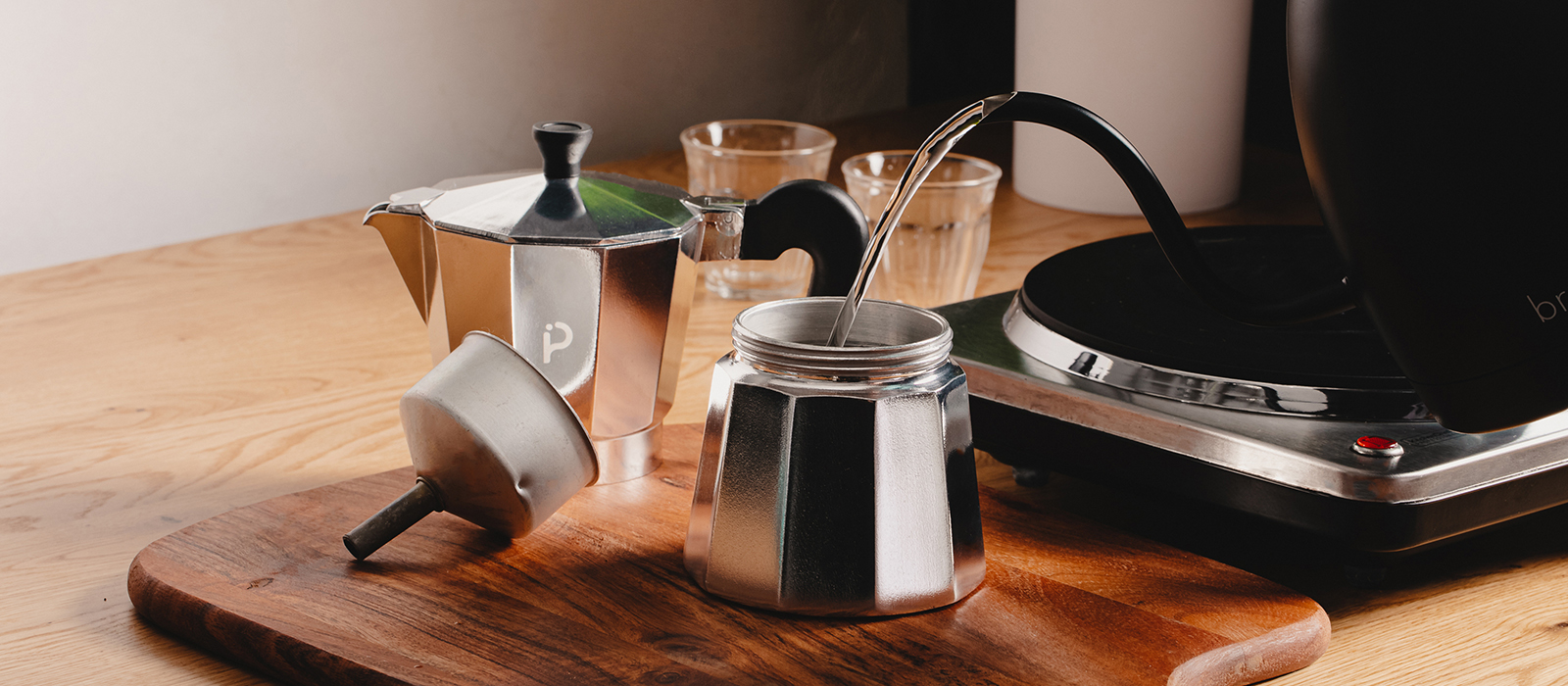
The moka pot – also known as the Italian moka pot, coffee moka maker, or stovetop espresso maker — is a classic stovetop coffee brewer invented in 1933 by Alfonso Bialetti in Italy. The iconic Bialetti Moka Express coffee maker quickly became a symbol of Italian coffee culture and remains one of the most recognisable brewing devices worldwide.
The Italian coffee maker was a great success from the outset. This success lasted until the Second World War. After the war, Alfonso Bialetti’s son took over the company and made some changes to distinguish their own goods from counterfeits. Mainly used in Europe, this coffee maker revolutionized homemade coffee and is now a must have in any kitchen.
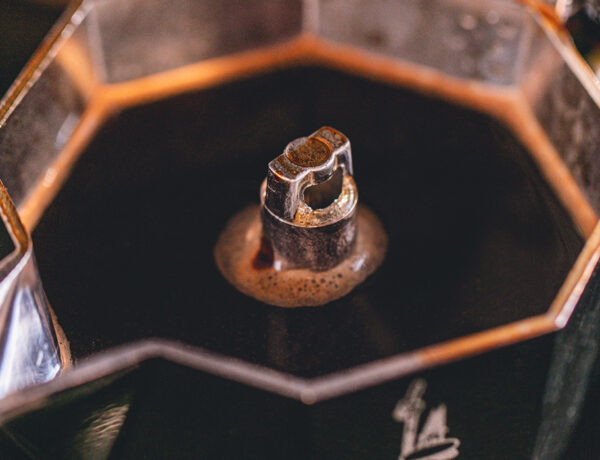
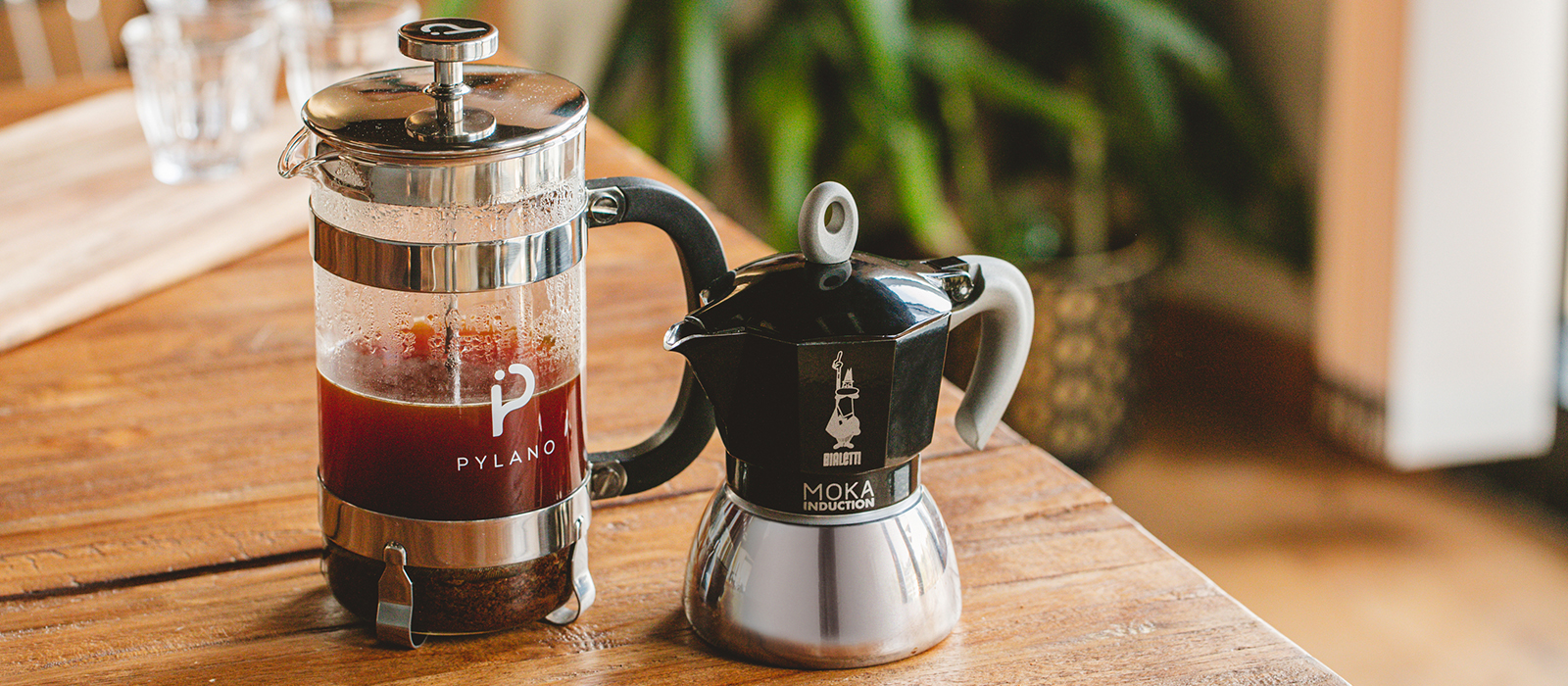
A moka pot consists of three main chambers:
As the water heats on the stove, pressure builds and forces the hot water upward through the coffee grounds. The extracted coffee then rises into the top chamber.
Most Moka pots are made from either aluminium or stainless steel. Aluminium is lighter and less expensive but stainless-steel coffee makers work on all types of stoves. Aluminium Moka pots are not compatible with induction stovetops.
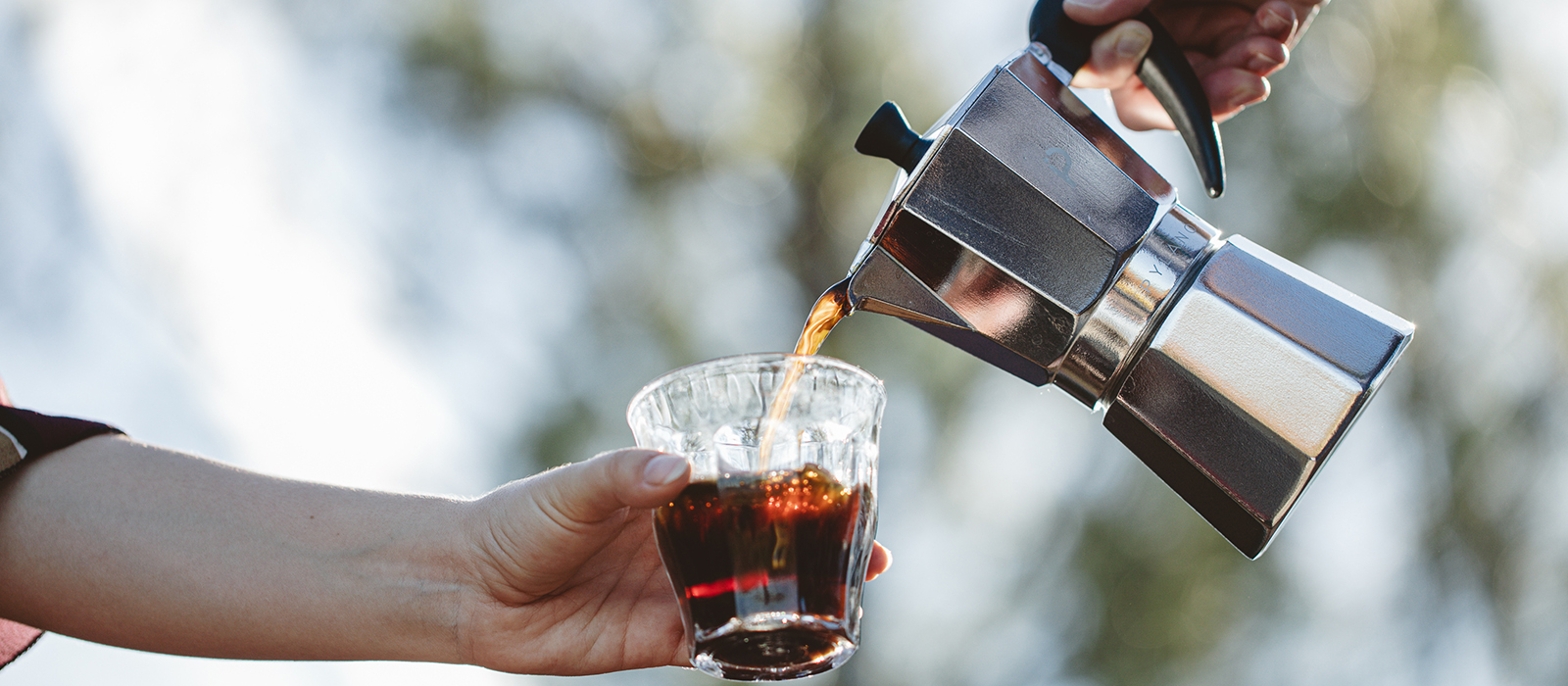
Moka Pot Selection
If you’re looking for the perfect Moka Pot for your needs, we’ve pre-selected a range of high-quality pots for every budget.
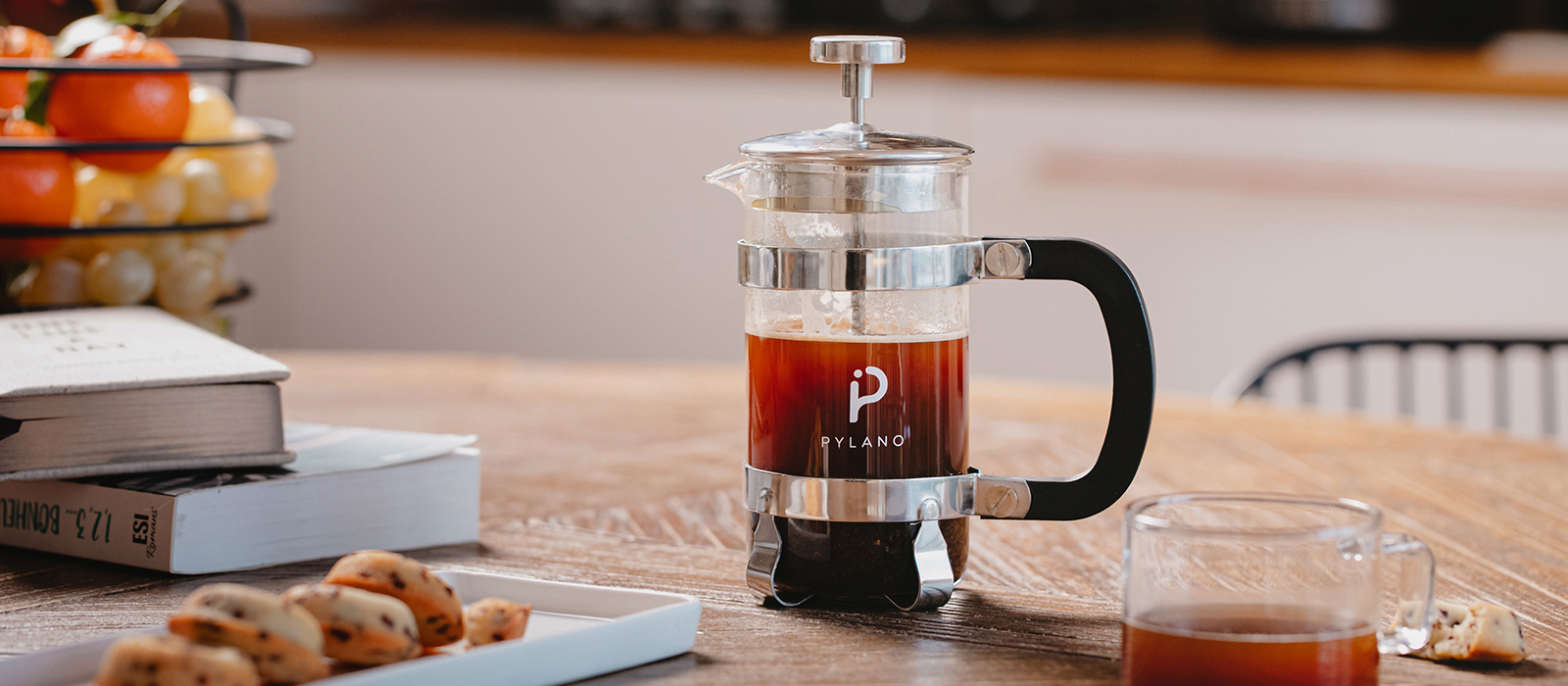
A cafetiere — commonly known as a French press — is a simple immersion coffee maker that has been popular in homes since the 19th century. It was officially created in the 1890s by Frenchman Marcel-Pierre Paquet who, in 1923, registered the patent. It is often wrongly attributed to the Italian Attilio Calimani whose patent dates from a later date (1929). He was, however, the first to market it. In 1959, Faliero Bondanini launched the first production of the coffee press in a factory in France, hence the name ‘French Press.
Unlike the Italian moka pot, it does not use pressure. Instead, it relies on steeping coffee grounds directly in hot water before separating them with a metal mesh filter.
The cafetiere consists of:
To brew, coarsely ground coffee is added to the carafe and covered with hot water. After steeping for around four minutes, the plunger is pressed down to separate the grounds from the liquid.
This immersion method allows more natural coffee oils to remain in the cup, resulting in a fuller body and richer mouthfeel compared to filtered methods.
Very recognisable, it is both simple and efficient. Over time, many different models and variations have appeared, some being more stylish or offering a particular quality. Some French press makers even feature a double-wall or double-filter system. Regardless of special features, all French press coffee machines work the same way.
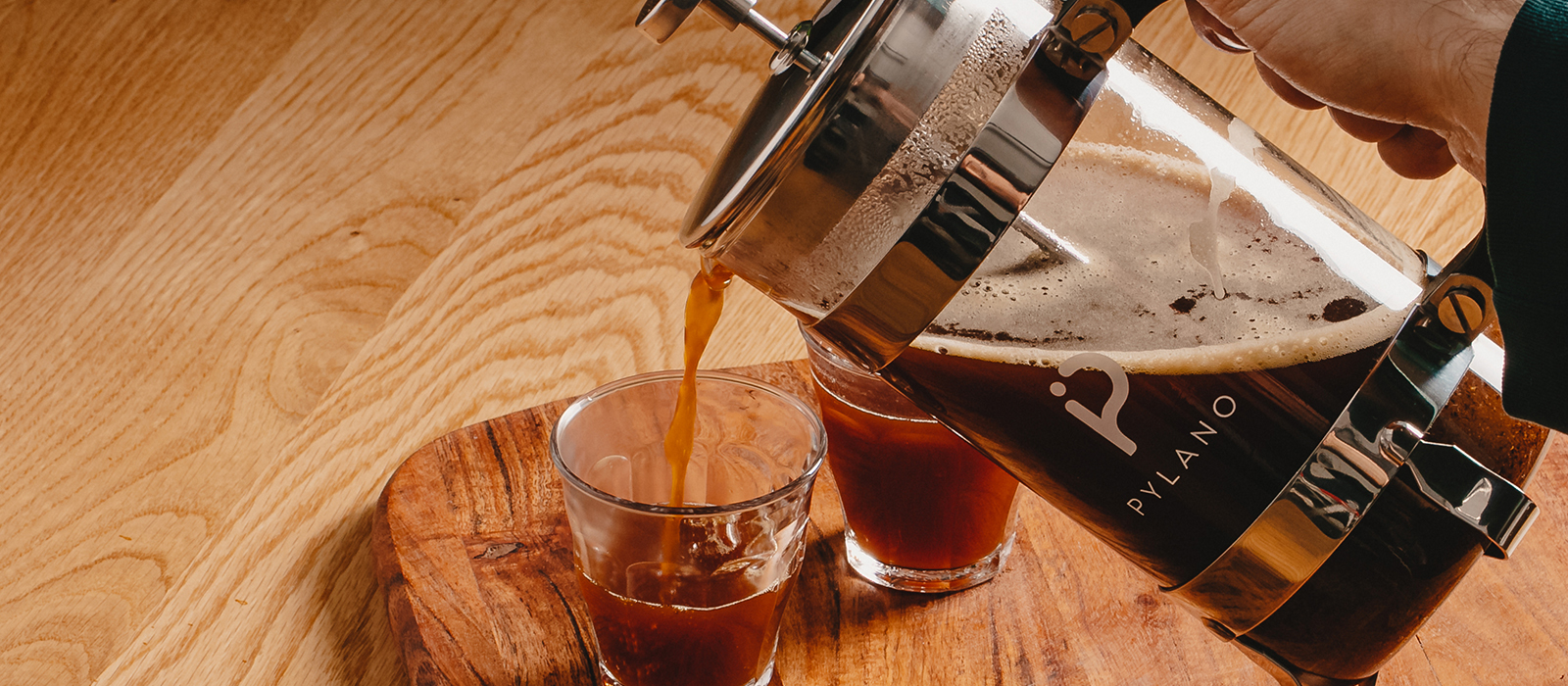
Cafetiere Selection
Tempted by a cafetiere? We’ve got just what you need! Our teams of experts has selected a range of top-quality cafetieres that are sure to meet to meet your needs.
When comparing moka pot vs cafetiere, the real difference lies in how the coffee is extracted. Although both are manual methods, they rely on completely different brewing mechanics — and that directly impacts flavour, strength and texture.
The Italian moka pot is a stovetop coffee brewer that uses steam pressure. As water heats in the lower chamber, pressure forces it upward through the coffee grounds. This creates a concentrated, intense brew often associated with espresso-style coffee.
The cafetiere, by contrast, uses immersion. Ground coffee steeps directly in hot water for several minutes before being separated by a metal mesh filter. There is no pressure involved — just time and contact between water and coffee.
In short:
This fundamental difference explains everything that follows in the cup.
Yes — in terms of concentration.
A moka pot produces a denser, more intense coffee than a cafetiere. It contains more dissolved solids and has a strong and rich flavour punch, making it ideal for those who enjoy bold coffee or want a base for milk drinks.
However, “stronger” does not necessarily mean more caffeine. While moka pot coffee is more concentrated, caffeine levels depend mainly on the coffee-to-water ratio and bean type.
The cafetiere produces a strong-tasting coffee too, but in a different way. Its longer immersion extracts oils and depth, resulting in a rich but less concentrated brew.
Another major difference in the moka pot vs cafetiere debate is mouthfeel.
If you prefer a concentrated, espresso-style coffee, the Italian coffee brewer has the edge.
If you enjoy a smoother, oilier and more aromatic cup, the cafetiere is often the better choice.
A moka pot typically takes around 5 minutes on the stove. It requires attention, as overheating can lead to bitterness.
A cafetiere also takes about 4 to 5 minutes, but the process is more forgiving. As long as the grind is coarse and the steep time respected, it’s difficult to ruin a cafetiere brew.
So in terms of ease:
Choosing the right coffee is just as important as choosing between a moka pot vs cafetiere. Because these two brewers extract coffee differently, they require different grind sizes and often suit different roast profiles.
When using an Italian moka pot or espresso maker stovetop, grind size is crucial. The coffee should be a medium-finegrind (finer than cafetiere coffee, but not as fine as espresso), evenly ground, and freshly roasted. Coffee that’s too coarse will result in weak, under-extracted coffee. A too fine grind risks bitterness or excessive pressure buildup.
Medium to dark roasts work best for coffee for moka pot, as they balance the bold extraction of the stovetop coffee brewe methods. These roasts produce rich, chocolatey and nutty notes that complement the concentrated style of Moka coffee.
A cafetiere requires a coarse grind to prevent over-extraction and reduce sediment. Using coffee for the stove topbrewing method (medium-fine grind) creates muddy texture and bitterness. Medium roasts work best, as the immersion method enhances body and aromatic oils while bringing out sweetness.
Technically yes — but it’s not ideal.
Cafetiere coffee is usually too coarse for a coffee moka maker. The result will likely taste weak and watery. If you only have coarse coffee available, expect reduced intensity compared to properly ground coffee for an Italian coffee brewer.
For best results in the moka pot vs cafetiere debate, match the grind to the method.
So, when comparing moka pot vs cafetiere, which one should you choose? It ultimately comes down to the type of coffee experience you prefer.
Choose a moka pot if:
Choose a cafetiere if:
When comparing moka pot vs cafetiere, there’s no universal winner — only the right choice for your taste. Ultimately, both are affordable, timeless brewing methods that can produce excellent coffee at home. Many people actually keep both brewing methods in their kitchen, as each serves different occasions and preferences perfectly. The best choice in the moka pot vs cafetiere debate is the one that fits your flavour preferences, daily routine, and brewing style.
Discover all of our articles
How to Use a Moka Pot: Your Guide to Making Perfect Italian-Style Coffee