





Japan is the 7th largest tea producing country in the world. However, tea is not native to Japan: tea plants…



Written by Alice
Reading time 7 minDespite having existed for centuries, matcha has gained popularity over the last few years in the Western hemisphere. This vibrant green tea powder, deeply rooted in Japanese tradition, is now prized worldwide for its flavour, versatility and well-documented benefits. But with so many options on the market, how can you identify the best matcha powder for your needs? In this guide, we explore what matcha really is, its benefits and how to choose a high-quality powder.
Matcha is not just green tea. Its green tea turned up to eleven.
Instead of steeping leaves in hot water and discarding them, matcha is made from whole tea leaves ground into a fine powder, meaning you drink the leaf itself. That allows you to benefit from the entire leaf and all its natural compounds. This is one of the key reasons why matcha is so highly valued, both nutritionally and culturally.
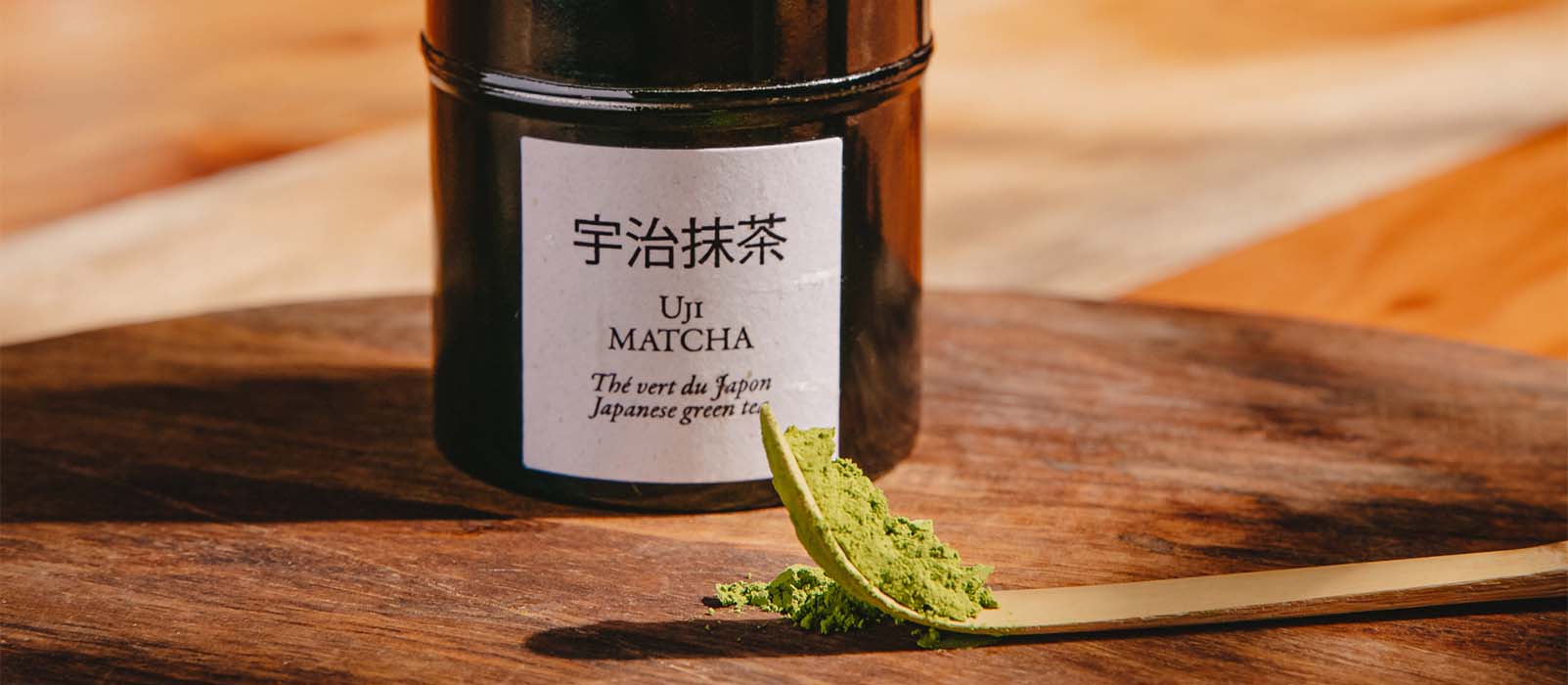
Matcha as we know it today originated in Japan, although its earliest roots can be traced back to China during the Tang Dynasty. It was Japanese Zen Buddhist monks who refined its production and ritual use from the 12th century onwards, integrating matcha into meditation practices for its ability to promote calm focus.
Over time, matcha became deeply embedded in Japanese culture, particularly through the tea ceremony (chanoyu), where precision, mindfulness and respect are central values. Today, the finest matcha powders still come from Japan, notably from regions such as Uji, Nishio and Kagoshima, renowned for their expertise and terroir.
The production of matcha is meticulous and sets it apart from other green teas.
A few weeks before harvest, tea plants are shaded from the sun. Less sunlight means more chlorophyll and more amino acids, especially L-theanine, the compound responsible for matcha’s famous “calm energy”. After harvesting, the leaves are steamed, dried, stripped of stems and veins (to become tencha), then stone-ground into powder. Slowly. Carefully. Almost meditatively. This painstaking process is exactly why the best matcha powder tastes smooth and balanced, rather than bitter or flat.
Matcha has a distinctive and complex flavour profile. High-quality matcha is characterised by a balance of vegetal freshness, natural sweetness and umami. It is smooth, slightly creamy on the palate and leaves a lingering, pleasant aftertaste. If it’s harsh, yellowish or mouth-drying, it’s probably not the best matcha powder, and your taste buds deserve better.
Matcha contains caffeine, but it behaves differently. Thanks to L-theanine, the energy is released gradually, no spike, no crash, no shaky hands while typing emails. It’s focus without frenzy.
Matcha is particularly high in catechins, including EGCG, a powerful antioxidant known for supporting cellular protection and overall wellbeing. The synergy between caffeine and L-theanine helps promote mental clarity, making matcha popular among those seeking sustained focus throughout the day.
Not all matcha powders are created equal. Understanding a few key criteria will help you identify truly high-quality matcha.
Ceremonial grade matcha is made from the youngest, most delicate tea leaves and is intended to be enjoyed on its own with water. It offers a smooth, slightly sweet and umami-rich profile. Culinary grade matcha is more robust and slightly more bitter, designed for cooking, baking and flavoured drinks such as lattes.
If you plan to drink it plain or lightly sweetened, always aim for ceremonial-grade matcha.
The best matcha powder feels silky, almost like talc, and smells fresh and vegetal, not dusty or stale. When it comes to colour, a bright, vibrant green is the thing to look out for. If the matcha is dull, yellowish or khaki, walk away.
With so many options available, it is not always easy to know which matcha to choose, especially when you are just starting out.
To guide you, we have selected matchas that stand out for their taste, reputation and quality.

Aromandise Organic Matcha Tea Powder – 50g
• Matcha Green Tea
• Certified Organic
• From Japan
• Loose leaf tea

Kusmi Tea Organic Japanese Matcha Tea Powder – 30g
• Organic Matcha Tea
• Japanese Green Tea
• In Powder Form
• Contains 30g in tin

Dammann Frères Japanese Matcha Green Tea – 20g
Powder Gyukuro Green Tea from Japan
Powerful vegetal notes and antioxidant properties
Also great for baking

Palais des Thés Organic Imperial Matcha – 20g
• Organic Tea
• Matcha Green Tea
• Fresh Herbal Notes
• Metal Box Containing 20g of Tea

NüMorning Matcha Latte – Super Food Latte – 100g
• Flavour: Japanese Ceremonial Matcha
• Instant Preparation
• 100g (50 Cups)
• No Added Sugars
Preparing matcha is not just about making a drink, it is a small ritual. Whether you prefer the traditional Japanese method or a comforting matcha latte, the key lies in respecting the powder and using the right technique.
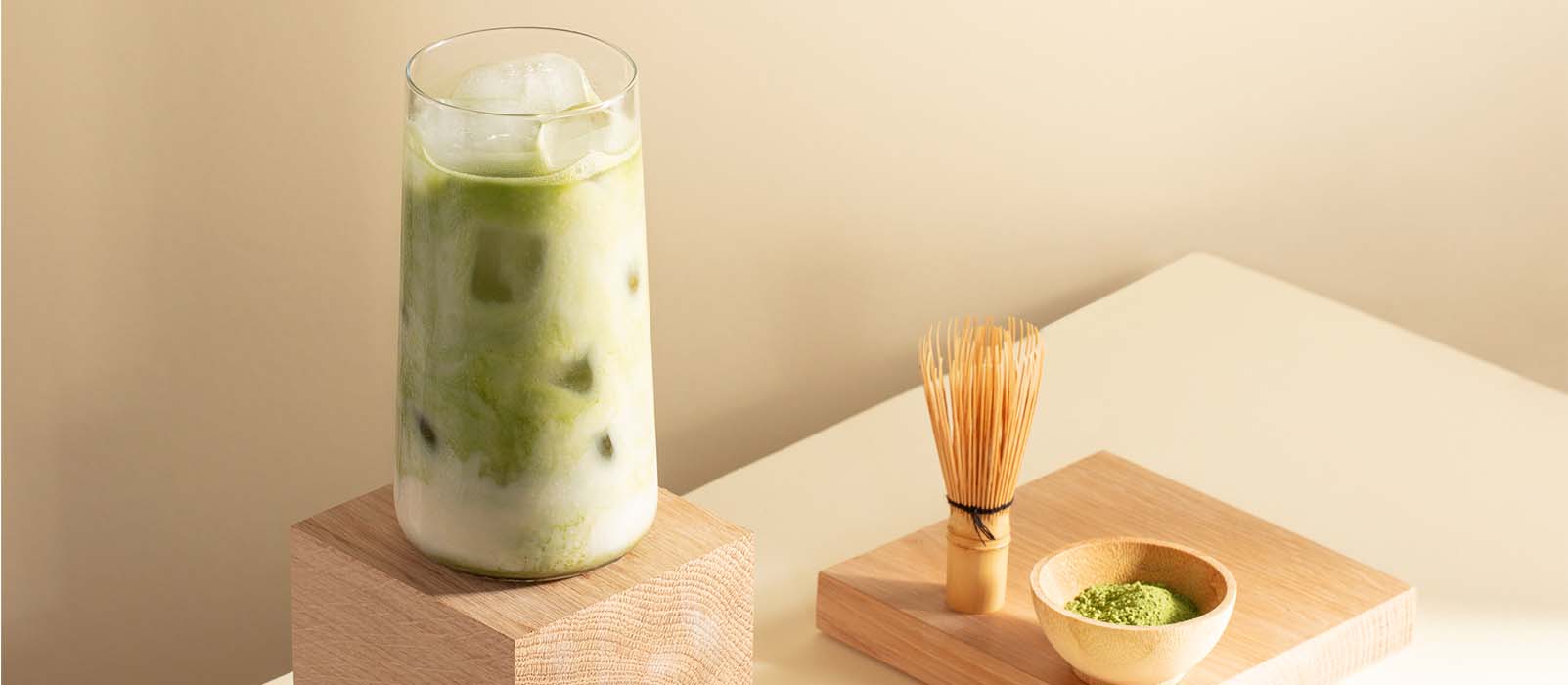
Traditional matcha preparation is all about simplicity and precision. Start by sifting 1 to 2 grams of matcha powder into a bowl to remove any clumps, this small step makes a big difference to the final texture. Heat fresh water to around 70–80°C; boiling water will scorch the matcha and bring out unwanted bitterness.
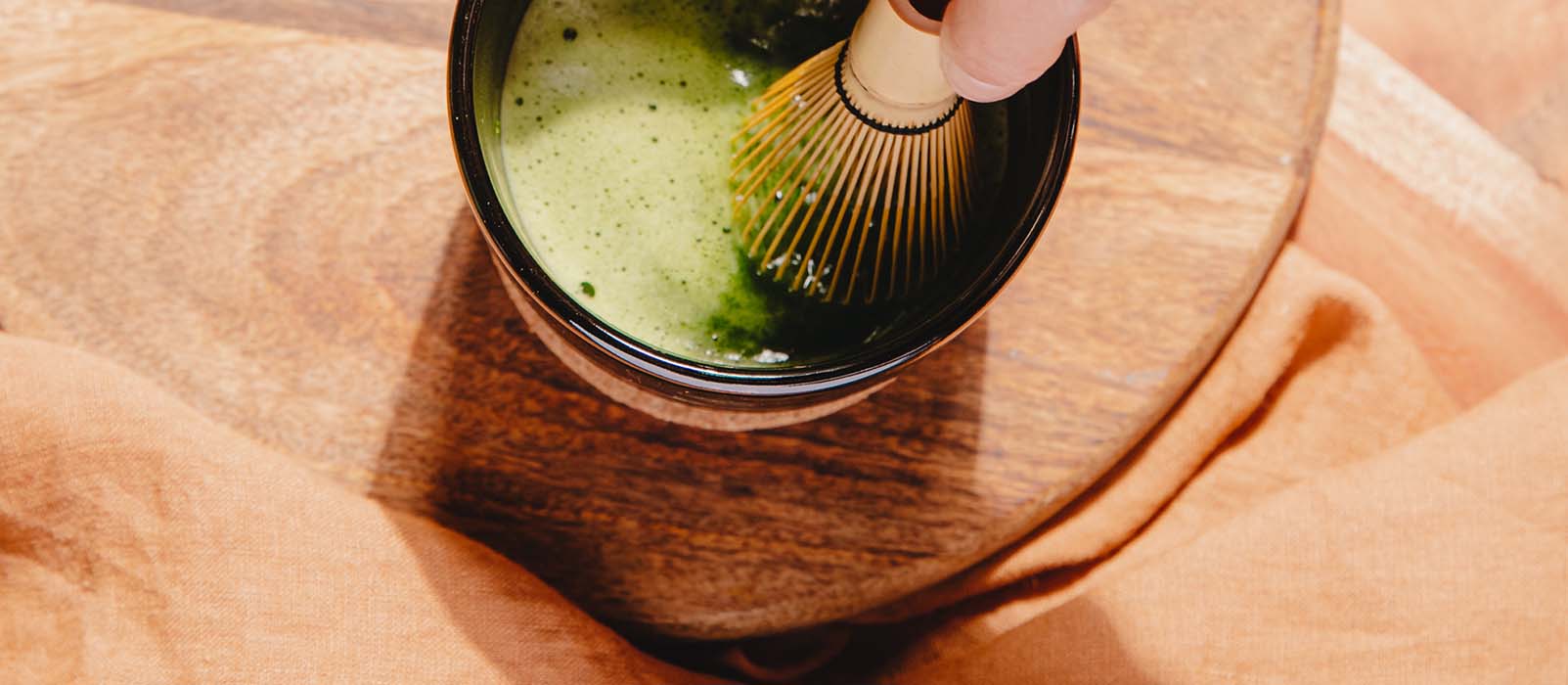
Pour the hot water over the matcha and whisk briskly using a bamboo whisk (chasen) in a zigzag or “W” motion.Within seconds, the matcha should become smooth, vibrant green, and lightly frothy on the surface. This method preserves the delicate vegetal notes, subtle sweetness, and umami character that define high-quality matcha.
For those who prefer something creamier and more indulgent, the matcha latte is a popular alternative. Begin by preparing a concentrated matcha base using slightly more powder than usual, following the same whisking method as above. This ensures the matcha flavour remains present once milk is added.
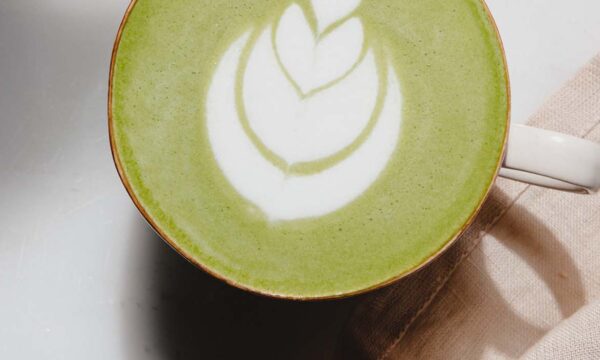
Heat milk or a plant-based alternative such as oat, almond, or soy milk until warm and gently frothy. Pour it over the matcha and stir to combine. The result is a smooth, comforting drink with a balance of grassy notes and natural sweetness.
In this case, a slightly stronger matcha or one designed for lattes works particularly well, as it holds its character against the richness of the milk. Sweeteners such as honey, agave syrup, or vanilla can be added, though high-quality matcha often needs very little enhancement.
FAQ About Matcha
While coffee delivers a fast caffeine hit, matcha offers a more gradual, balanced energy release. Many people choose matcha as a daily alternative for improved focus, reduced jitters and added nutritional benefits.
Yes, because you consume the whole leaf, matcha provides a higher concentration of nutrients and antioxidants.
Absolutely. One to two cups per day is generally considered ideal.
Pure matcha contains no added sugar. Sweetness depends on the blend or preparation method.
Yes, absolutely. Matcha is generally divided into two main categories: ceremonial grade matcha and culinary grade matcha.
Ceremonial-grade matcha is designed for drinking. It is made from the youngest tea leaves, stone-ground very finely, and has a bright green colour and mild, umami-rich flavour with very little bitterness. Culinary-grade matcha is intended for cooking and baking. It has a stronger, more robust taste that stands up well to heat and other ingredients. The colour is usually darker or slightly yellow-green.
Yes, flavoured matcha teas do exist, especially in Western markets. These blends often combine matcha green tea with natural flavours such as vanilla, chocolate, coconut, or spices. You’ll also find matcha mixed with sugar or milk powder, particularly in instant matcha latte mixes.
Matcha green tea in the UK has grown rapidly in popularity over the past few years. The best matcha powder in the UK is entirely subjective. We would recommend taking a look at our selection of top-quality matchas.
Matcha is delicate and sensitive to air, light, heat, and moisture. To keep it fresh, store your matcha powder in an airtight container, away from direct sunlight and heat sources. Many people keep it in the fridge, which is perfectly fine as long as the container is tightly sealed to avoid moisture. Once opened, it’s best to consume matcha within a few weeks to enjoy its vibrant colour and fresh flavour at their best.
The best matcha powder depends on how you plan to enjoy it: pure, in a latte or as part of a daily wellness ritual. By focusing on grade and intended use, you can confidently choose a matcha that fits your taste and lifestyle. Exploring different styles is part of the pleasure, and once you find the right matcha, it can quickly become an essential part of your routine.