






The café liégeois or Liège coffee is a delicious sweet drink made with cold coffee that will appeal to both…



Written by Alice
Viennese hot chocolate is the most indulgent chocolaty treat you could possibly ask for for cold winter days. If you’re wondering how it’s made, where it comes from and when it was created, then you’re in the right place! Let’s deep delicious drink that will awaken your taste buds leave you with a sugar high.
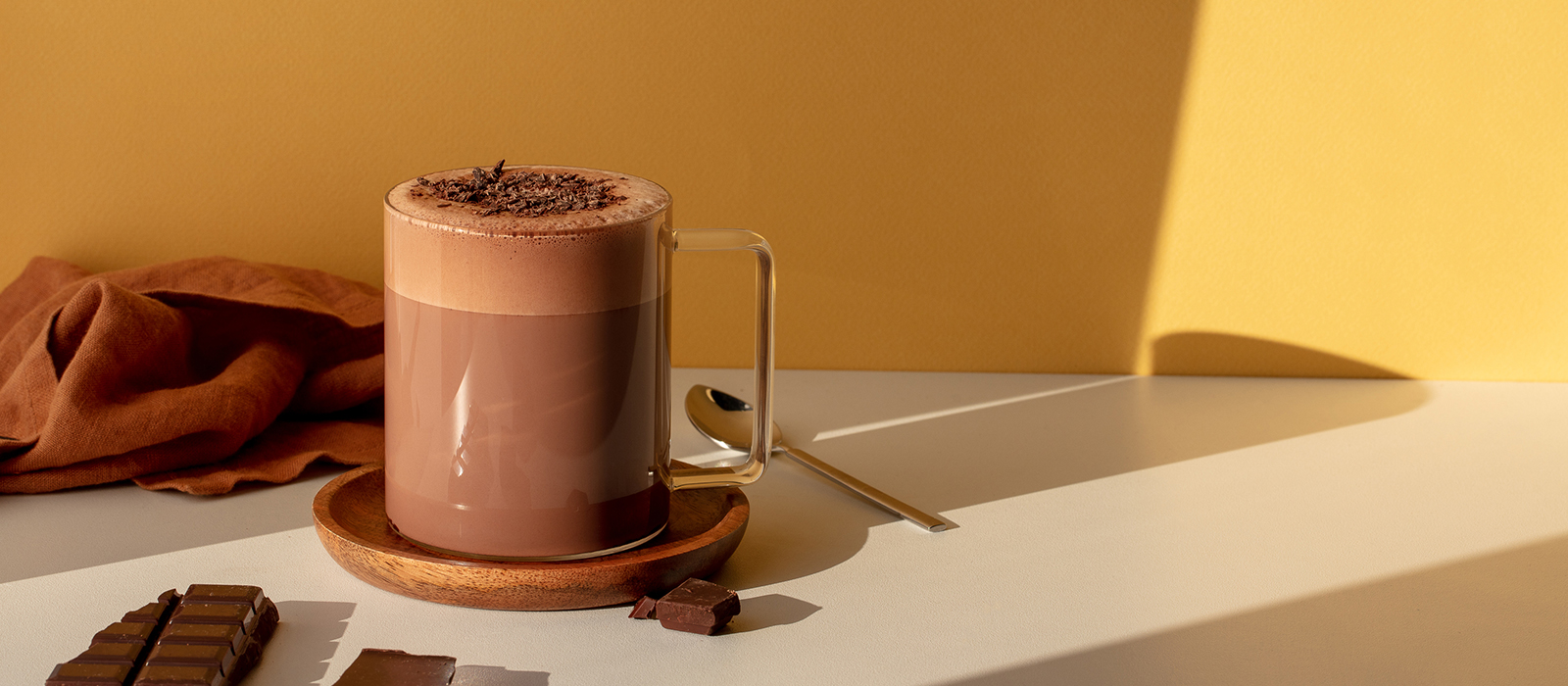
Viennese hot chocolate is a refined chocolate drink made with real chocolate melted into milk, often finished with a generous layer of whipped cream. Unlike instant cocoa-based drinks, it focuses on richness, balance and texture, while remaining smooth and easy to drink.
The main difference lies in both ingredients and texture. Classic hot chocolate (or hot cocoa) is usually made with cocoa powder, sugar and milk, resulting in a lighter, thinner drink. Viennese hot chocolate, on the other hand, uses real chocolate (often dark chocolate) which gives it a deeper flavour, a silkier mouthfeel and greater aromatic complexity. It is indulgent without being overly thick.
MaxiCoffee Tasty Tip
You can also add an even smoother touch by opting for a Viennese hot chocolate: add whipped cream at the end of your preparation.
To understand Viennese hot chocolate, it helps to look at the broader history of cocoa and its journey to Europe.
Cocoa was first consumed by the Mayans and Aztecs as a bitter, spiced drink, believed to have nourishing and even spiritual properties. When cocoa reached Europe in the 16th century, sugar and milk transformed it into a luxurious beverage enjoyed by aristocracy. Over time, hot chocolate spread through royal courts and cafés, evolving into different regional styles.
The name comes from Vienna’s legendary coffee house culture, where hot chocolate has long been served alongside coffee. Vienna’s cafés became famous for their calm, intellectual atmosphere and carefully crafted drinks. In these cafés, chocolate drinks are treated with the same care as espresso, often topped with whipped cream rather than milk foam.

Italian hot chocolate is famously very thick and rich, almost like a warm chocolate pudding. It is made with real dark chocolate, milk, sugar and a thickening agent such as cornflour. It is typically served plain, without whipped cream, and enjoyed slowly in small cups.
French hot chocolate is smoother and more fluid, though still rich. It is traditionally prepared with high-quality dark chocolate melted into whole milk, without thickeners.
Hot cocoa is lighter and quicker to prepare, while Viennese hot chocolate is richer and more aromatic.
Italian hot chocolate is much thicker, almost custard-like. Viennese hot chocolate remains smoother and more drinkable.
A mocha combines chocolate with coffee. Viennese hot chocolate focuses purely on cocoa and milk, without espresso.
In classic Viennese café culture, hot chocolate was often enriched with egg yolk, whisked into warm milk and chocolate. The yolk acts as a natural emulsifier and thickener, giving the drink a:
This version was inspired by 19th-century European culinary techniques, where eggs were commonly used to add body and luxury to drinks and desserts. It reflects the opulent style of historic Viennese cafés.

Today, many cafés and home recipes omit the egg yolk for practical and safety reasons:
Instead, thickness is achieved through real chocolate, cream, or a small amount of cornflour, while whipped cream on top remains the most recognisable “Viennese” signature.
In our recipe section, we’ll go over both options.
A great Viennese hot chocolate depends on ingredient quality as much as technique.
Dark chocolate with 60–70% cocoa is ideal. It provides depth without excessive bitterness. Milk chocolate can be used for a sweeter, creamier result, but it will be less intense. Always choose real chocolate bars over chocolate-flavoured products for the best flavour.
Whole milk delivers the creamiest texture and best balance. Semi-skimmed milk produces a lighter result while still working well. Plant-based milks such as oat or almond can be used, though they slightly alter flavour and thickness. Oat milk generally performs best for creaminess.
A small amount of unsweetened cocoa powder can enhance chocolate intensity. Sugar should be adjusted to taste, depending on the chocolate used. Cornflour is optional but useful if you prefer a slightly thicker, more enveloping texture, inspired by Italian hot chocolate traditions.
This is the historically accurate Viennese café recipe, inspired by 19th-century Central European coffeehouse traditions. The egg yolk adds exceptional smoothness and a subtle custard-like richness.
Ingredients





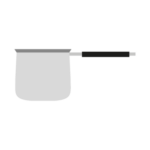
Material



Preparation




Gently heat the milk in a saucepan over low heat until warm but not boiling.
In a bowl, whisk the egg yolk with the sugar until pale and slightly thickened.
Slowly pour a small amount of the warm milk into the egg mixture, whisking constantly to temper it. Return everything to the saucepan over very…
Add the chopped chocolate and salt, stirring continuously until fully melted and smooth. Do not let the mixture boil, heat gently until thick, glossy and…
Serve immediately in a cup, topped with a generous swirl of whipped cream.
This is the most common version served today, easier to prepare and better suited to daily enjoyment, while still staying true to the Viennese spirit.
Ingredients

Material

Preparation
Heat the milk gently in a saucepan over medium-low heat
If using cornflour, dissolve it separately in a tablespoon of cold milk before adding it to the pan.
Add the chopped chocolate, sugar and salt.
Stir continuously until the chocolate has fully melted and the texture becomes smooth and slightly thick.
Pour into a cup and finish with whipped cream.
MaxiCoffee Tasty Tip
For an extra touch of originality to your favourite hot drink, feel free to add a sweet note with tasty marshmallows on top.


Destination Pure Cocoa Powder Organic and Fairtrade – 250g
• Perfect for pastries
• 100% cocoa
• Organic
• Packaging: 250g
Always dissolve dry ingredients in cold milk before heating. Keep the heat gentle and stir constantly as chocolate can burn easily and should never boil.
Viennese hot chocolate should be hot but not scalding, around 65-70°C. The texture should coat the spoon lightly without becoming overly thick or pudding-like.
For a spiced Viennese hot chocolate, add cinnamon, cardamom or a pinch of chilli for warmth and depth.
For a vanilla or orange-infused Viennese hot chocolate, infuse the milk with vanilla or orange zest before adding the chocolate for a subtle aromatic twist.
A more festive and gourmet version would be topped with chocolate shavings, flavoured whipped cream or a splash of hazelnut syrup for special occasions.

Now you know all the key facts about Viennese hot chocolate, which sits somewhere between tradition and pure pleasure. Creamier than classic hot cocoa yet lighter than Italian hot chocolate, it embodies the elegance of European café culture. This delicious experience will give you the comfort of a traditional chocolate drink and a cosy moment in the comfort of your own home! And for more recipes, check out our other blog posts.
Discover all of our articles