

Finding the best coffee beans can feel overwhelming. With so many origins, roast profiles, flavour notes, and blends available, choosing…



Written by Alice
Reading time 7 minFinding the best coffee in the world is difficult. With so many origins, varieties, and flavours, how can one possibly choose? The answer isn’t simple, because coffee, like wine, is highly subjective. However, there are still objective criteria, countries, expert assessments, and global competitions that help us get closer to what could be considered the finest coffee beans on Earth.
Although preferences vary widely, some standards help identify truly exceptional coffee. The best beans share common features: they’re grown in nutrient-rich soil, often at high altitudes, and handled with care throughout harvesting and processing. Many of the best coffees come from high-quality coffee cherries, grown in environments that promote complex flavour development.
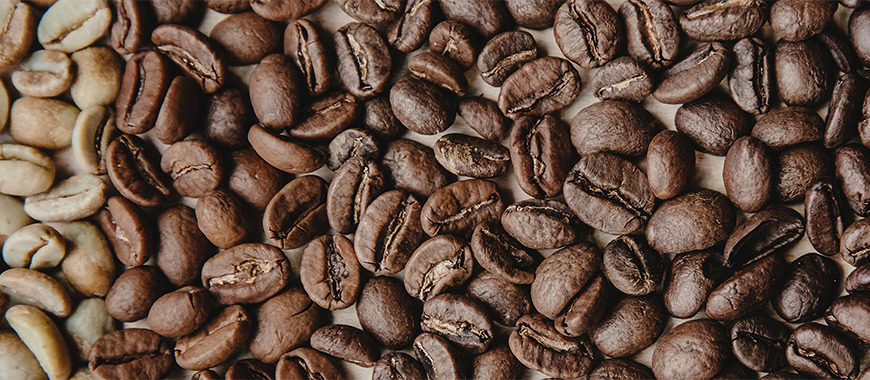
Quality coffee is almost always traceable, meaning the label will tell you where it’s from, how it was processed, and what variety it is. These markers point to transparency, ethical practices, and artisanal quality, characteristics that ensure not just a better-tasting cup, but also a more responsible one. This commitment to quality enhances the entire coffee experience.
Moreover, certain farms and producers have consistently demonstrated superior results, often winning accolades and top scores in international competitions. It’s this reputation, built over time and grounded in quality, that elevates a coffee from great to legendary.
Although individual taste preferences vary widely, the hallmarks of coffee quality remain consistent. These include the origin of the beans, the coffee variety, the methods used during cultivation and processing, and the overall traceability of the coffee. Like with wine, someone might swear by a full-bodied Jamaican Blue Mountain, while another coffee lover raves about the floral delicacy of Panamanian Geisha. What unites them is a standard of excellence—certain farms, regions, and producers are recognised globally for consistent, high-quality output.
These elite coffees don’t just stand out because of hype, but because they meet exacting criteria, often receiving accolades and top scores in global competitions. Customers seeking premium coffee often cite traceability as a key decision-making factor.
Coffee is an agricultural product, which means each harvest is subject to the forces of nature. Rainfall, sunlight, temperature fluctuations, and even soil composition can change from year to year, affecting the flavour profile of a crop. This is why the best coffee in the world is never static—it shifts depending on the vintage. Like wine vintages, coffee harvests can produce different nuances and tastes, even from the same farm. So, part of the joy of seeking out the world’s best coffee beans is embracing these evolving characteristics year after year.
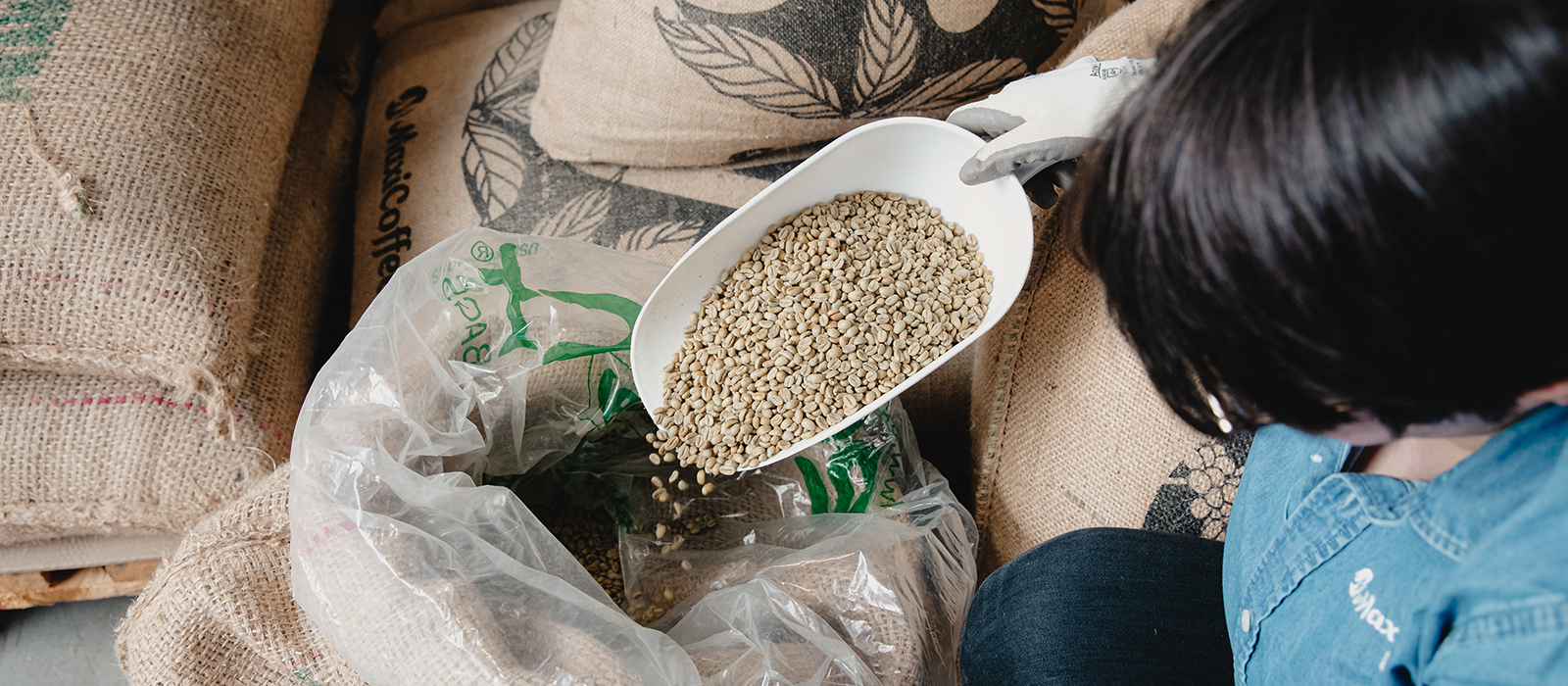
The coffee world is full of prestigious competitions that aim to recognise and reward the best lots each year.
Perhaps the most famous, the COE awards exceptional coffees based on rigorous tastings. Each coffee is evaluated and scored by industry professionals.
The SCA uses a 100-point scale to evaluate coffee on multiple criteria:
A score over 80 qualifies a coffee as “specialty”. Exceptional coffees can score above 90, placing them in a rarefied tier.
Specialty coffee is considered to be the quality coffee, due to its exemplary traceability and meticulous work from producer to roaster. This knowledge of the production chain guarantees a quality not found in other coffees. This type of coffee represents just under 10% of the world’s coffee production. These are mainly micro-lots, which can be rare and can therefore be bought at a high price. However, the selling price is not necessarily a guarantee of quality. As a result, it is distinguished mainly by its rating above 80/100 according to the SCA rating protocol.
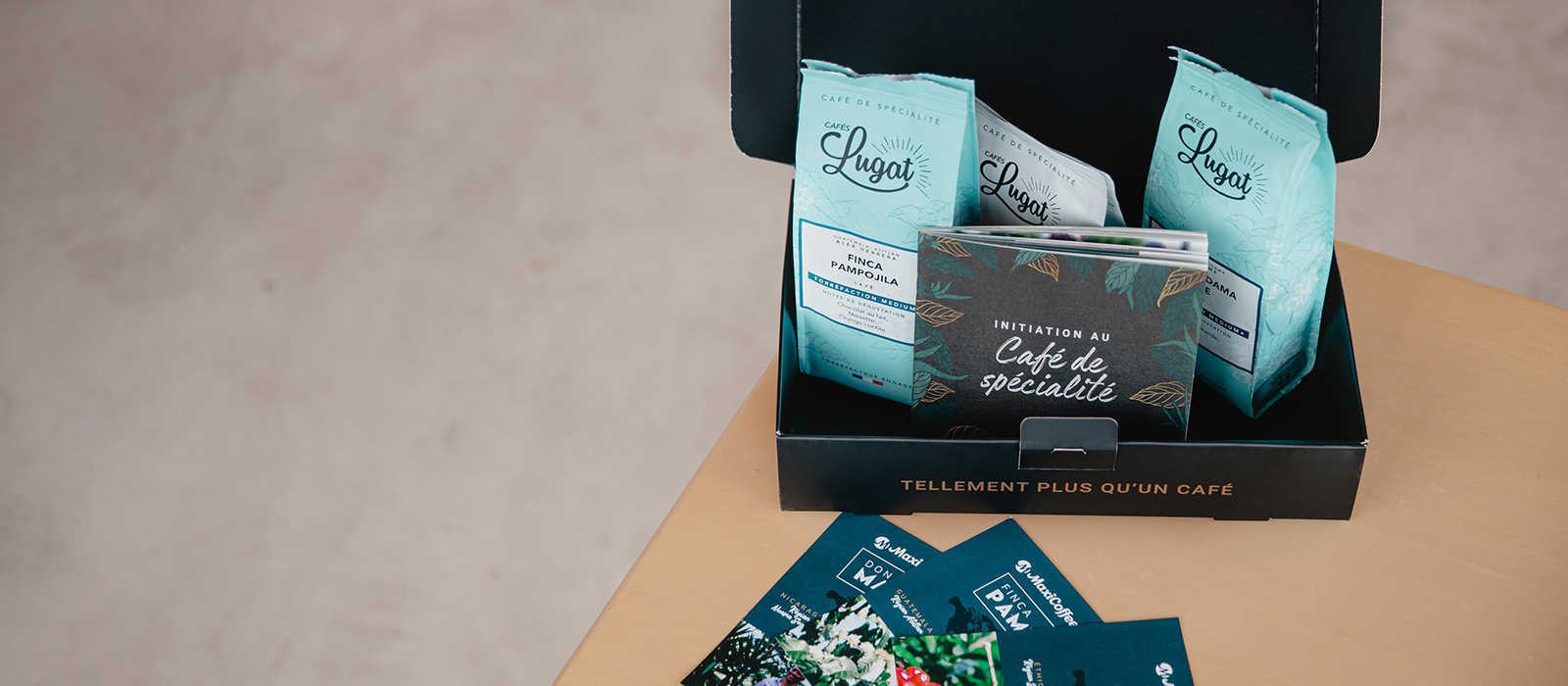
This scoring protocol is established by the SCA on several criteria such as: Aromatic aspects of the coffee ;
These criteria are analysed during the analysis of the green coffee in the first instance, and then during a standardised tasting, the “cupping”. After scoring, there are several categories:
At MaxiCoffee, we have a wide selection of specialty coffee beans. These coffees are often the result of meticulously harvested coffee cherries, expert processing, and precise roasting.
Although the choice is very subjective, there are a few countries and coffee plantations that stand out because of the rarity and taste profile of their coffee.

Variety: Geisha
This coffee was first and foremost the most expensive coffee in the world in 2018 with a price tag of up to $100 per cup thanks to a 92.5/100 score in the International Barista Championship. Originating in the Gesha region Ethiopia, its expansion to Panama began in the 1960s. Sometimes bought even before the harvest, Geisha is known for its cup of coffee with floral and lemon notes and flavours, thanks to its production at high altitude (between 1400 m and 1900 m). Its cups are balanced and usually perfect.

Variety: Bourbon
It has long been considered the best coffee in the world and remains one of the most expensive. It has a surprisingly long finish, with flavours of cocoa and little acidity. Its name comes from the Blue Mountain range and includes only crops from the parishes of Portland, St Andrew, St Thomas and St Mary. This coffee only grows between 900m and 2250m, which guarantees its exceptional quality. Below 900m you will find it under a different name.
Variety: Bourbon
This coffee is derived from the Jamaican Mountain and comes from the Cairns region on the west coast of Australia. It is a fairly recent production, having started in the 1980s. Its unique taste comes from its “purity“, as it has not been modified by hybridization, which is often the case in the industrialization of crops to increase yield. It is grown sustainably, without chemical fertilisers or pesticides. Its washing process preserves all the coffee’s aromas by absorbing the small amount of pulp residue left on the beans during washing. In addition, during the roasting process, sweet and chocolatey aromas are released.
Cafés Lugat Coffee Beans Huehuetenango from Guatemala – 250g
Huehuetenango coffee beans from Northwest Guatemala. This specialty coffee, sourced and freshly roasted by the Cafés Lugat roasting team, will offer you gourmet notes of chocolate with moderately spicy undertones. 100% Arabica. Medium+ roast designed for good espressi.

Cafés Lugat Coffee Beans El Maya from Guatemala – 250g
• Light Roast
• 100% Arabica
• Guatemala / Solola /Atitlan
• Notes of Chocolate and Spices
Tanat Blend 189 Coffee Beans – 200g
Specialty coffee blend grown in Brazil and Honduras. After being roasted by Tanat, a French roastery, this coffee reveals all its aromatic richness around Caramel and Hazelnut.

Tanat Coffee Beans Kawa Blend – 200g
• Medium Roast
• Arabica Blend (Brazil / Guatemala et Peru)
• Notes Caramel and Chocolate
• Roasted in France
Start by thinking about what flavours you enjoy. Do you prefer something fruity and floral? Go for African origins like Ethiopia. Like chocolate and caramel notes? Latin American coffees may be your best bet. Also consider brew method: some coffees shine in espresso, while others are best for filter or cold brew. Finally, don’t ignore freshness, always check the roast date and grind just before brewing for maximum flavour.
At the end of the day, the best coffee in the world may not be the best coffee beans for you. Take the time to visit a few coffee shops and test as many varieties and flavours as you can. Your new favourite is only a few sips away!)

There’s no single answer, because the best coffee in the world depends on your preferences. But by looking at traceability, SCA scores, and expert selections, you can get closer to your perfect cup. Whether you’re drawn to the fruity complexity of a Panamanian Geisha or the smooth flavours of Jamaican Blue Mountain, the world of specialty coffee is waiting to be explored, one cup at a time.
Discover all of our articles