


The water you use for your coffee may seem completely incidental – but nothing could be further from the truth.…



Written by Monica
Looking for the easiest method to brew great coffee at home? The cafetière (or French press) is your answer. This simple, reliable coffee maker delivers rich, full-bodied coffee without any complicated equipment or technique. Whether you’re new to brewing coffee at home or a seasoned enthusiast, our experts share their best tips to help you master this classic method.
The cafetière (also known as French Press) was patented by the Italian company Caliman in 1933. Generally made of glass and metal, this humble cafetière has a piston at its centre with a perforated metal disc at the bottom to act as a filter.
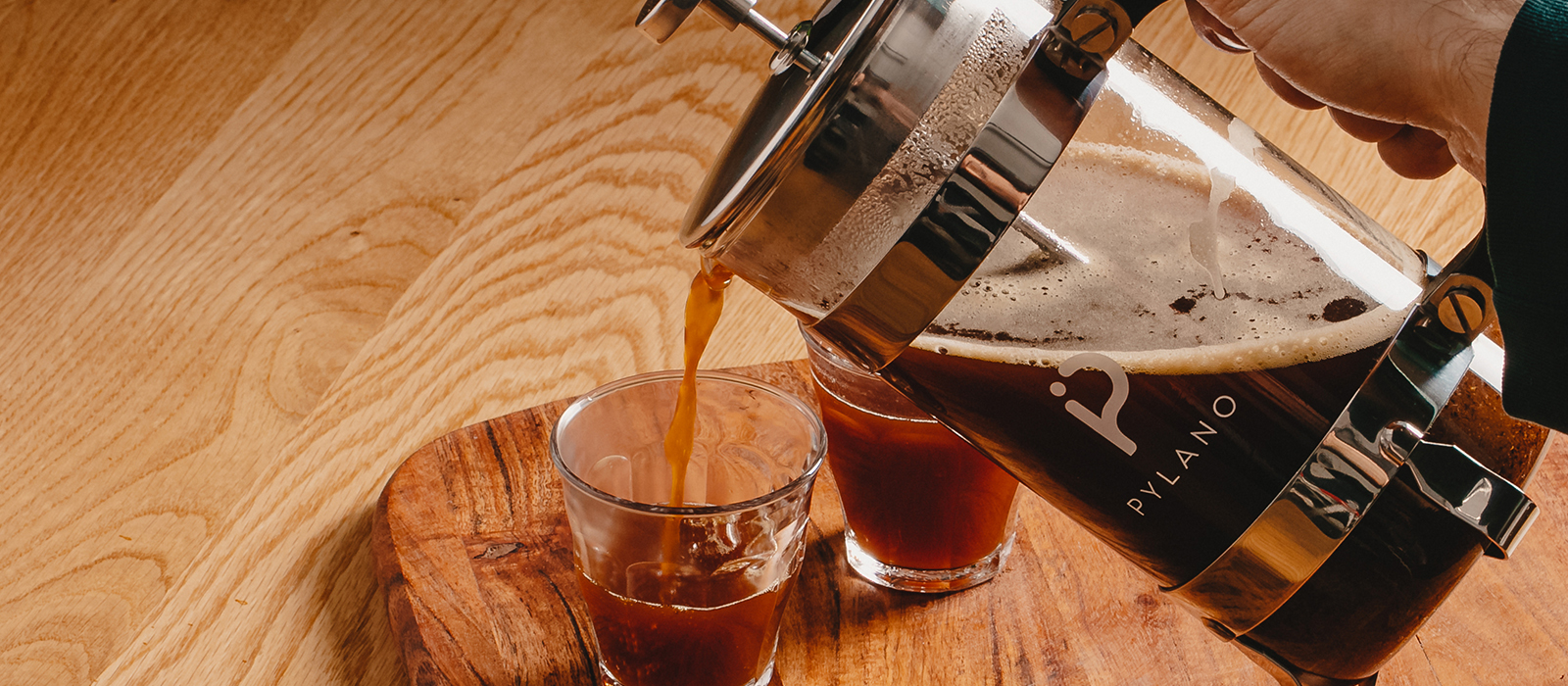
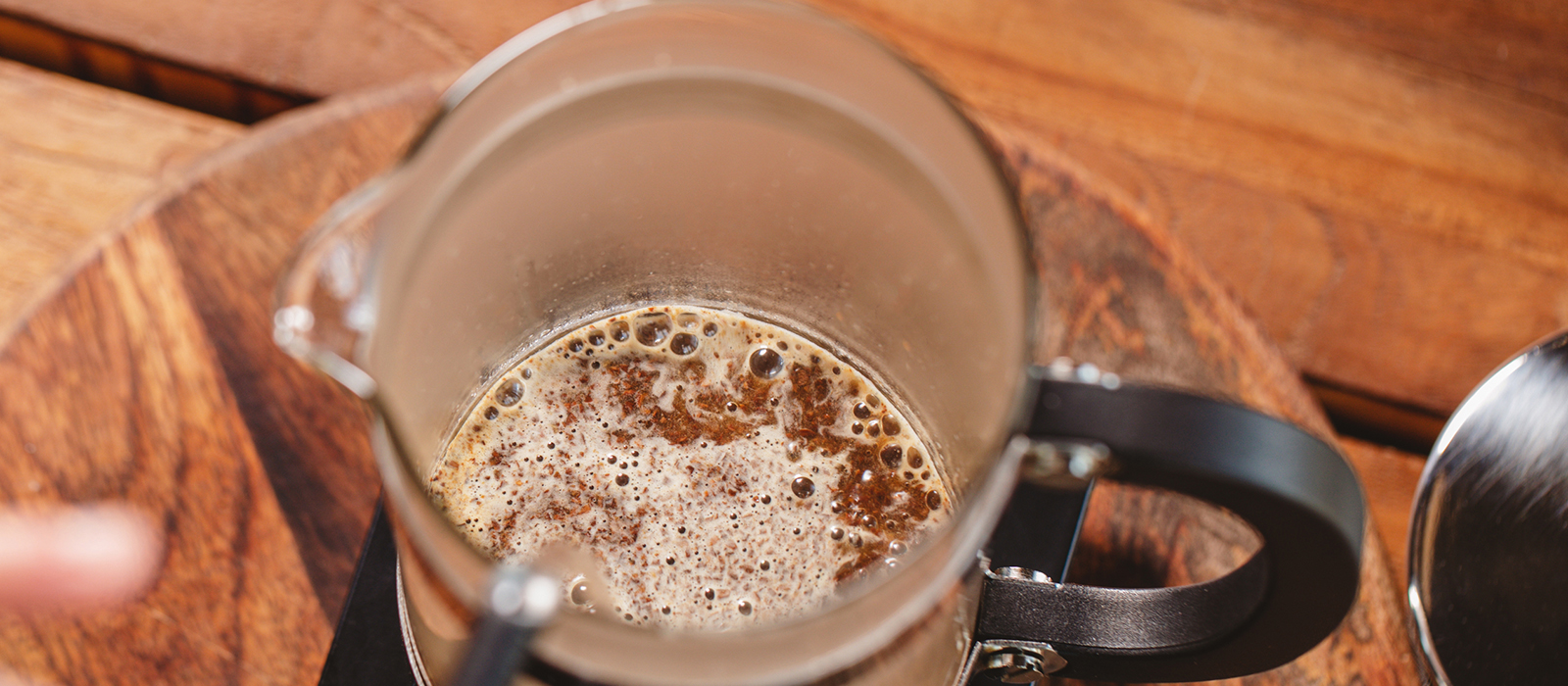
The brewing process is straightforward: coarsely ground coffee sits at the bottom of the container, hot water is poured over it, and after steeping for a few minutes, the plunger pushes down to separate the liquid coffee from the grounds.
It should be noted that this type of coffee maker is preferred by coffee roasters to taste the coffees they are selecting. Indeed, if you use a cafetière, you can brew any type of coffee. So whether you’re a light roast or darker roast aficionado, you’ll be able to get exactly what you need with your cafetière.
Medium and dark roasts work particularly well in a cafetière, delivering the bold, full-bodied flavour most people seek from this brewing method. Dark roast coffee beans develop rich, chocolatey notes that the extended steeping time brings out beautifully.

That said, lighter roasts can also produce interesting results if you prefer more delicate, fruity characteristics. The key is choosing freshly roasted coffee beans and grinding them just before brewing—this ensures you capture the maximum flavour potential when making coffee with a cafetière.
A coarse grind is essential for cafetière brewing because it prevents over-extraction and keeps sediment out of your cup. The larger particles (think sea salt texture) extract more slowly during the 4-6 minute steeping time, producing a smooth, clean-tasting brew without bitterness.
Coarse grounds are also easily trapped by the metal filter, making the plunge effortless. In contrast, a fine grind extracts too quickly, creating muddy, bitter coffee and allowing tiny particles to slip through the filter into your cup—exactly what you want to avoid.
Getting the ratio right makes all the difference between a watery disappointment and a rich, balanced brew. The standard cafetière ratio is 60g of coffee per litre of water, which works out to roughly 15g per 250ml cup.
If you don’t have a digital scale on hand (though they do offer the best precision), one rounded tablespoon equals approximately 7g of ground coffee.
Here’s a quick reference table to help you measure for a few people or just yourself:
| Cups | Water | Coffee (grams) | Coffee (tablespoons) |
|---|---|---|---|
| 1 cup | 250ml | 15g | 2 |
| 2 cups | 500ml | 30g | 4 |
| 4 cups | 1L | 60g | 8-9 |
| 8 cups | 2L | 120g | 17 |
Ingredients


Material



Preparation
Preheat your cafetière by rinsing it with hot water, then discard. This helps maintain a stable brew temperature.
Add your coarse ground coffee to the base (15g per cup, or use the ratio table above).
Heat water to 92-96°C—let your kettle sit for 30-60 seconds after boiling rather than using boiling water directly.
Pour the hot water over the grounds in a circular motion, ensuring all the coffee is saturated.
Stir gently with a spoon to help the coffee bloom and release its flavours.
Place the plunger on top without pressing down yet. Set your timer for 4 minutes—this brew time delivers the best results.
Skim the top of the coffee with a spoon to remove any floating grounds or foam.
Press the plunger slowly with steady, gentle pressure until it reaches the bottom.
Pour immediately to avoid over-extraction.
Use a small cafetière (250ml) with 15g coarsely ground coffee and 250ml water at 92-96°C. Steep for 4 minutes, then plunge slowly. This ratio delivers a well-balanced single cup without waste.
Simply double the quantities: 30g coarsely ground coffee with 500ml water in a 500ml+ cafetière. The brewing time stays at 4 minutes. Pour the water just off the boil, stir well, then plunge and serve immediately.
Increase your coffee-to-water ratio to 10-12g per cup instead of the standard 7-10g, or extend brewing time to 5-6 minutes. Avoid over-extraction though, as steeping too long introduces bitterness rather than pleasant strength.
Brew your coffee as normal, then add warm or cold milk to taste after pouring into your cup. For a creamier result, gently heat the milk beforehand or froth it for a latte-style drink.
True espresso requires high pressure that a cafetière can’t generate. However, you can create a strong concentrate using 20g coffee per 100ml water with a slightly finer grind. It won’t match espresso’s crema or intensity, but works for milk-based drinks.
Yes, cafetière coffee delivers far superior taste and aroma. Freshly ground beans preserve natural oils and complex flavours, whilst instant coffee often tastes bitter or flat. The cafetière gives you control over strength and freshness that instant can’t match.
Now that you have the knowledge to avoid common mistakes and the technique to ensure a clean, sediment-free finish, it is time to put it into practice. Grab your favourite bag of beans, set your timer, and enjoy the process. For more expert advice and to find the perfect equipment for your kitchen, explore our range of Cafetière Coffee and brewing accessories to elevate your daily ritual.
Discover all of our articles

The Different Types Of Teas: Varieties, Tastes And Preparation