



Costa Rica is a major player in the coffee-producing world, renowned for its high-quality Arabica coffee beans and sustainable production…



Written by Monica
Reading time 13 minMore than a daily ritual, specialty coffee beans represent the highest expression of premium coffee, where flavour, ethics, and craftsmanship come together. In the UK, the specialty coffee movement continues to grow, driven by passionate coffee roasters, transparent sourcing, and a demand for fresh roasted coffee beans with real character. From single origin coffee beans to expertly roasted blends, discover what makes specialty coffee unique, how to choose the best beans for your taste, and where to find exceptional coffee across the UK.
Over the past two decades, coffee has evolved from a simple daily habit into a refined culture rooted in craftsmanship, ethics, and flavour exploration. At the heart of this movement lies specialty coffee beans, celebrated for their unique flavour, traceability, and the dedication of the coffee farmers and roasters who bring them to life.
In the UK, interest in specialty coffee beans UK has grown rapidly, driven by consumers seeking premium coffee, fresh roasted coffee beans, and a deeper connection to the coffee industry. From independent coffee roasters near me to curated coffee beans delivery services, specialty coffee has become a defining feature of modern British coffee culture.
Let’s explore what makes specialty coffee exceptional, from origin to roasting, and why it represents the best possible coffee experience for every coffee lover.
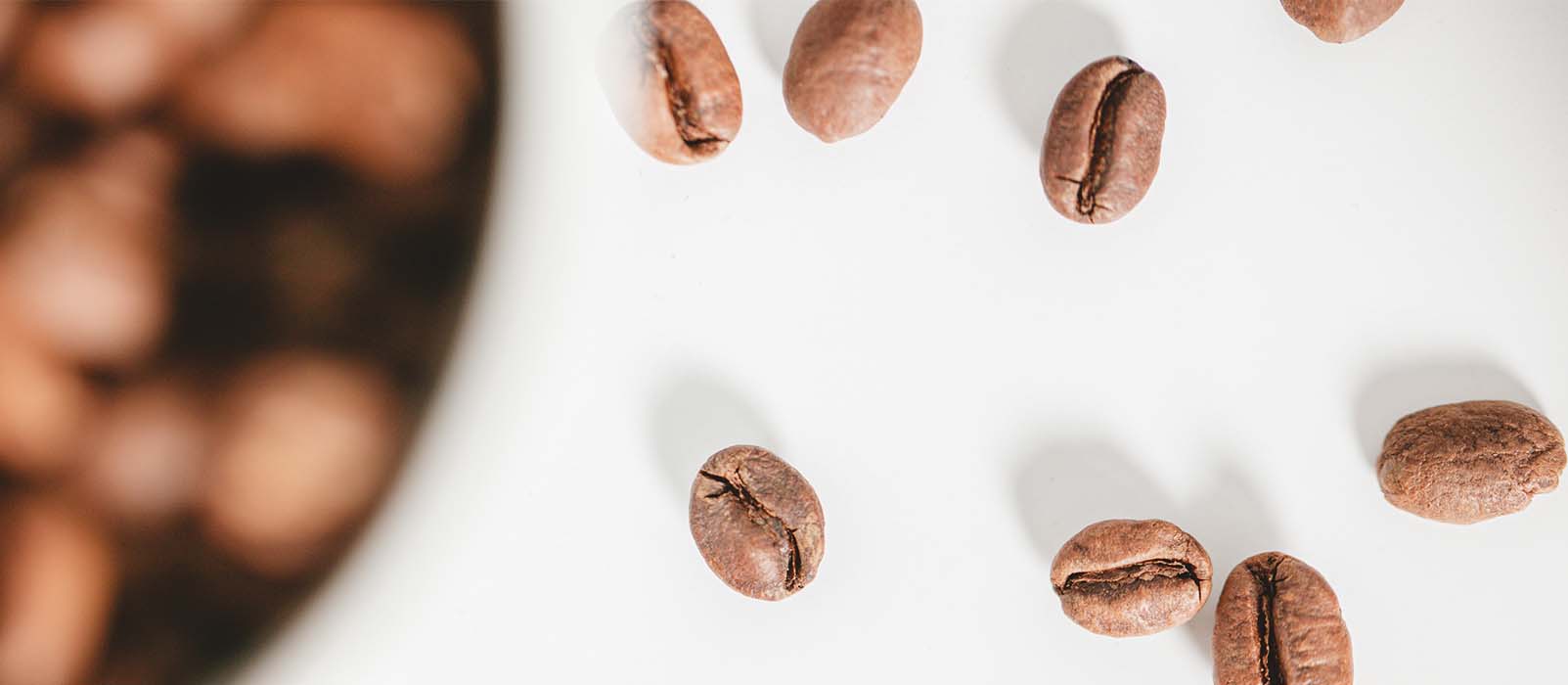
At its core, specialty coffee refers to the highest grade of coffee available, beans that have been cultivated under ideal conditions, carefully harvested, processed with precision, and roasted to highlight their unique flavours.
The concept was first formalised by the Specialty Coffee Association (SCA), a global authority that developed a rigorous grading system. To qualify as specialty coffee beans, the coffee must score 80 points or above out of 100 on the SCA’s scale. This score evaluates everything from aroma and acidity to balance, body, and aftertaste.
Unlike mass-market blends, speciality coffee focuses on quality beans, transparency, and respect for origin. Most are single origin coffee beans, meaning they come from one farm or region, such as Costa Rica , Colombia, or Ethiopia, allowing their natural characteristics to shine.
From a 250g bag for home brewing to coffee beans 1kg formats for enthusiasts, specialty coffee is about flavour clarity, ethical sourcing, and freshness, often sold as whole bean coffee to preserve aroma until grinding.
These beans are the result of a meticulous chain of care, often called the “farm-to-cup journey”. Every step, from planting and picking to roasting and brewing, is designed to preserve the bean’s inherent character. Unlike mass-produced coffee, which prioritises volume and consistency, specialty coffee beans prioritise traceability, sustainability, and sensory excellence.
Drinking a cup of specialty coffee isn’t just about taste; it’s an experience, one that connects you directly to the land, the people, and the expertise behind each sip.
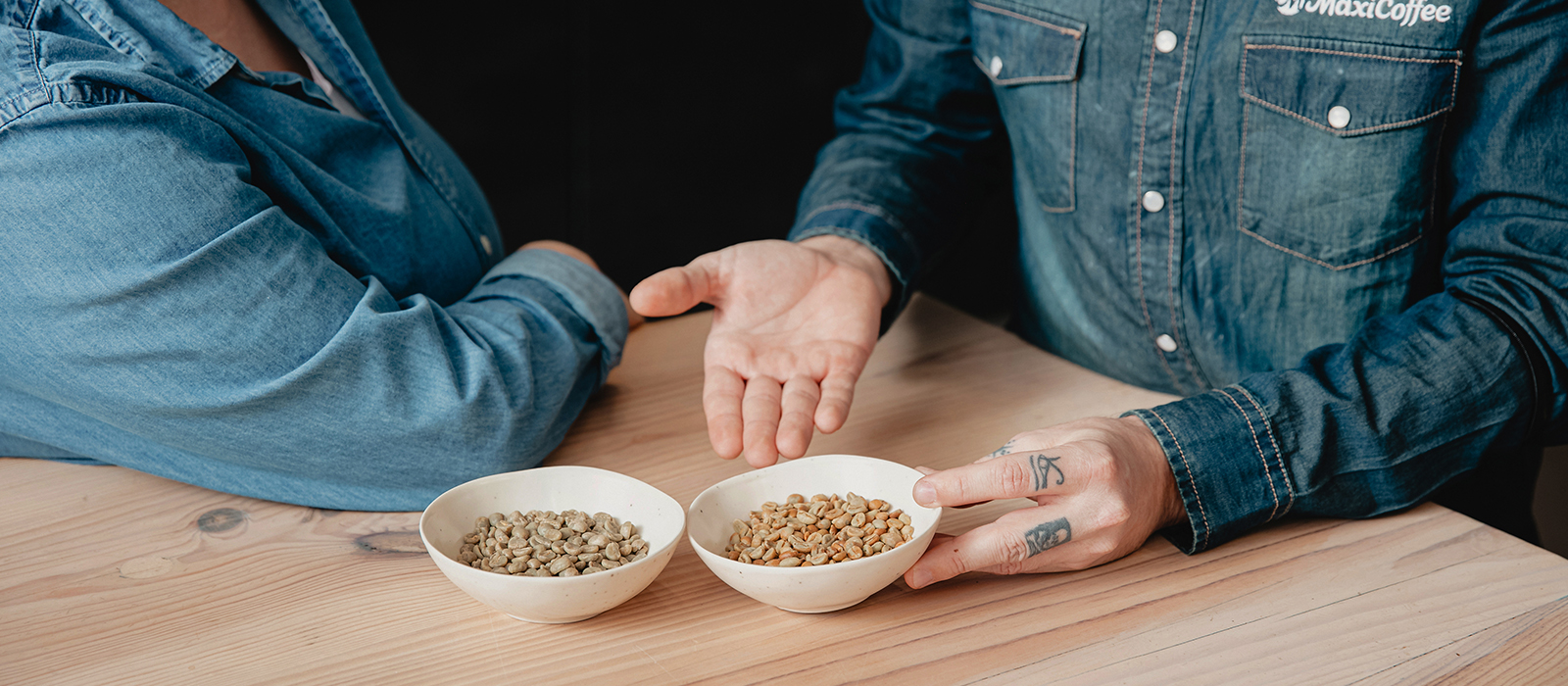
The difference between specialty coffee and supermarket blends is as striking as that between a fine wine and a boxed one.
Commercial coffee often comes from large-scale farms where beans are mechanically harvested and mixed from multiple regions. The result is a uniform, but flat, flavour profile, designed to be consistent rather than expressive. It’s theeveryday coffee you find in tins or instant jars: reliable, affordable, but rarely inspiring.
In contrast, specialty coffee beans
are usually single-origin, meaning they come from one specific farm or region known for its distinctive microclimate. Growers often hand-pick cherries only when perfectly ripe and process them using natural or washed methods that enhance their complexity.
When roasted, these beans reveal delicate tasting notes, think of citrus, red berries, jasmine, or dark chocolate, depending on the origin and roast style. Every cup tells a story: of altitude, soil, temperature, and craftsmanship.
In short, specialty coffee is about quality over quantity, art over automation, and flavour over uniformity.
All coffee begins as a cherry growing on the Coffea arabica or Coffea canephora (robusta) plant. But when it comes to specialty coffee beans, only Arabica, the more delicate, complex species.
Arabica plants thrive in cooler climates, often between 1,000 and 2,000 metres above sea level. These high-altitude environments slow cherry development, allowing sugars and aromatic compounds to concentrate. The result? Beans with nuanced flavour and bright acidity, hallmarks of specialty coffee.
Regions such as Ethiopia, Colombia, Kenya, and Costa Rica have long been synonymous with high-quality coffee, each producing distinctive profiles shaped by local terroir.
Each origin offers a distinct profile:
These differences are the essence of single origin coffee.
Once harvested, the cherries must be processed, a crucial step that determines how the final cup will taste. There are three main methods:
Each technique brings out different characteristics in the beans, and many specialty coffee producers experiment with fermentation times, drying methods, and microbial activity to refine flavour and aroma.
Innovative producers, such as those involved in collaborations like Migoti Hill Coffee Farm or Sakami Jane Coffee Beans, push boundaries through controlled fermentation and experimentation.
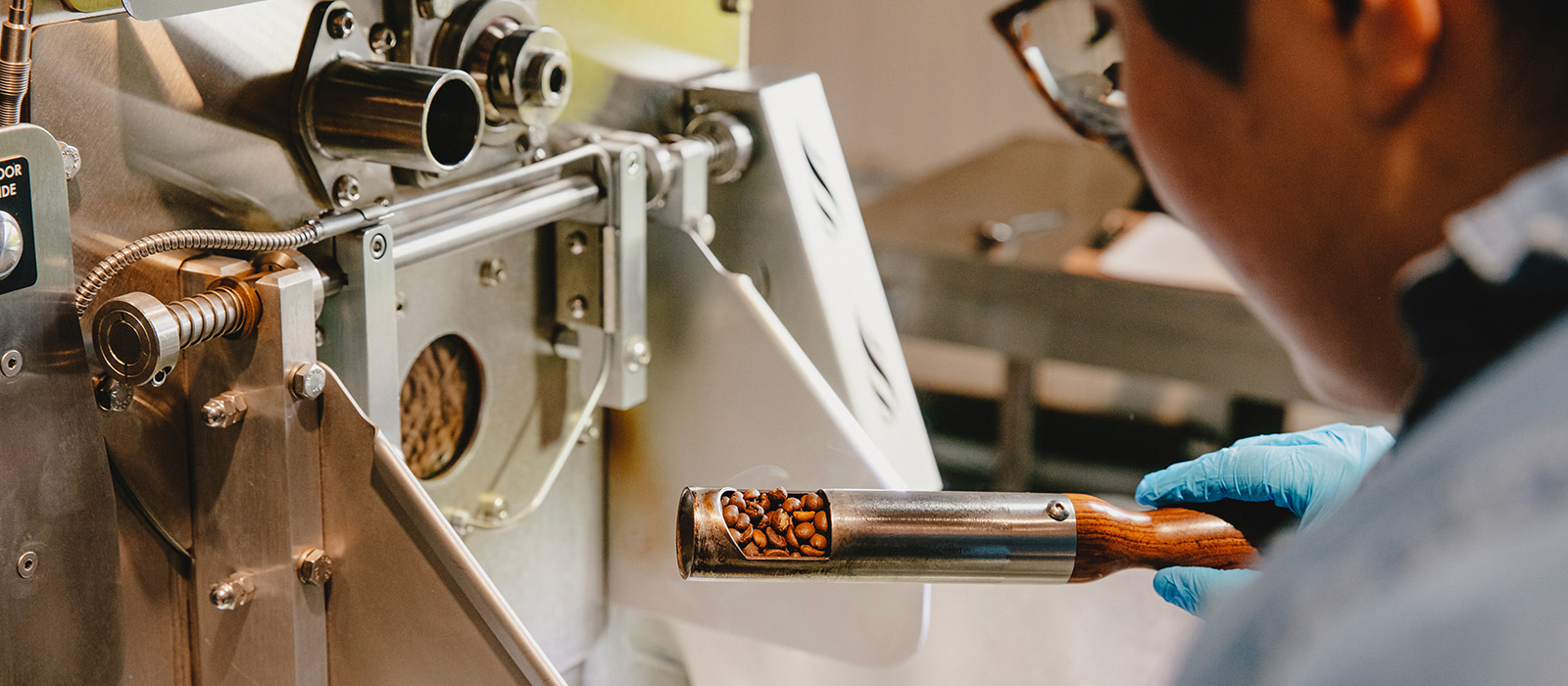
The SCA plays a central role in defining and protecting the integrity of specialty coffee. This international non-profit sets standards for everything from green bean grading and roasting to barista training and sustainability.
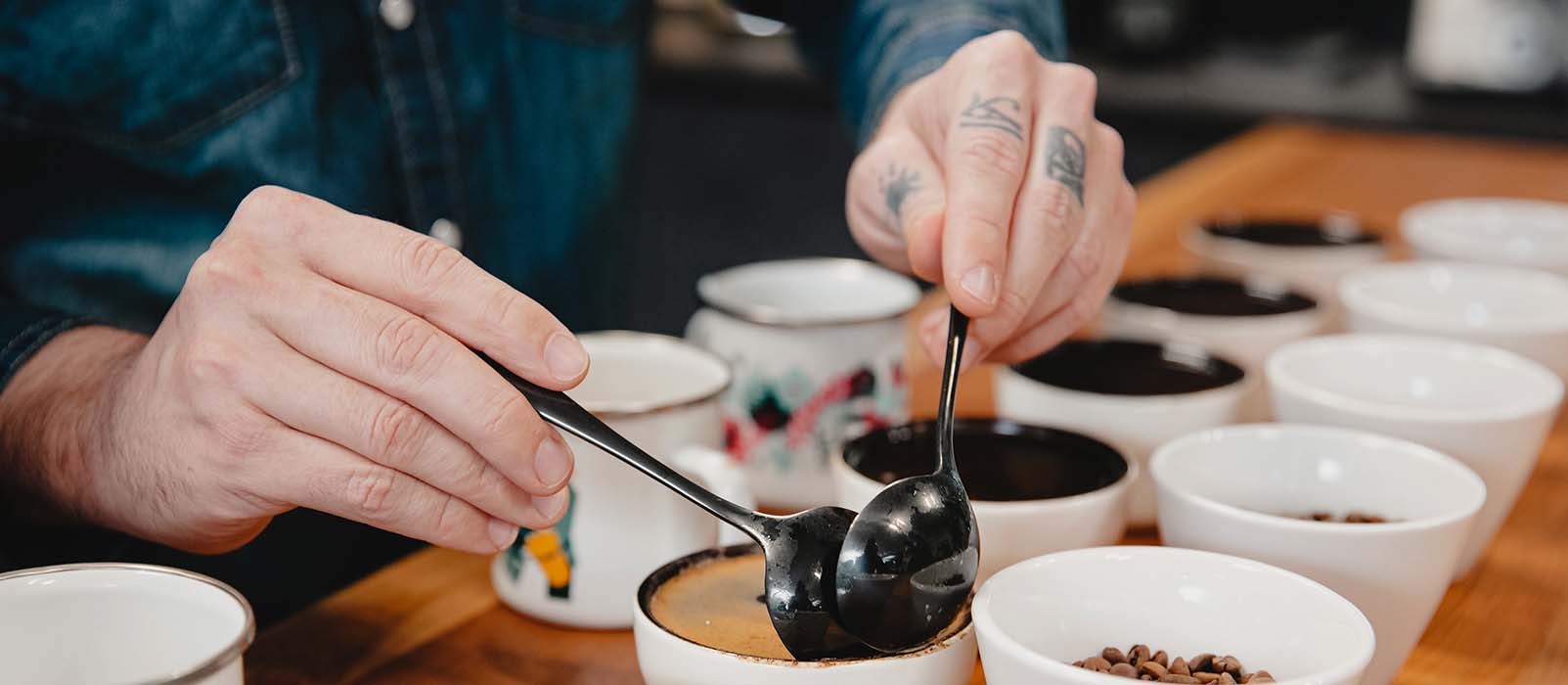
To earn the specialty title, green coffee must be free from primary defects (such as broken or unripe beans) and score at least 80/100 during a cupping session, a formal tasting process assessing the coffee’s sensory qualities.
Scoring covers key attributes like:
This standardised evaluation ensures that specialty coffee beans meet the same level of excellence worldwide, regardless of origin.
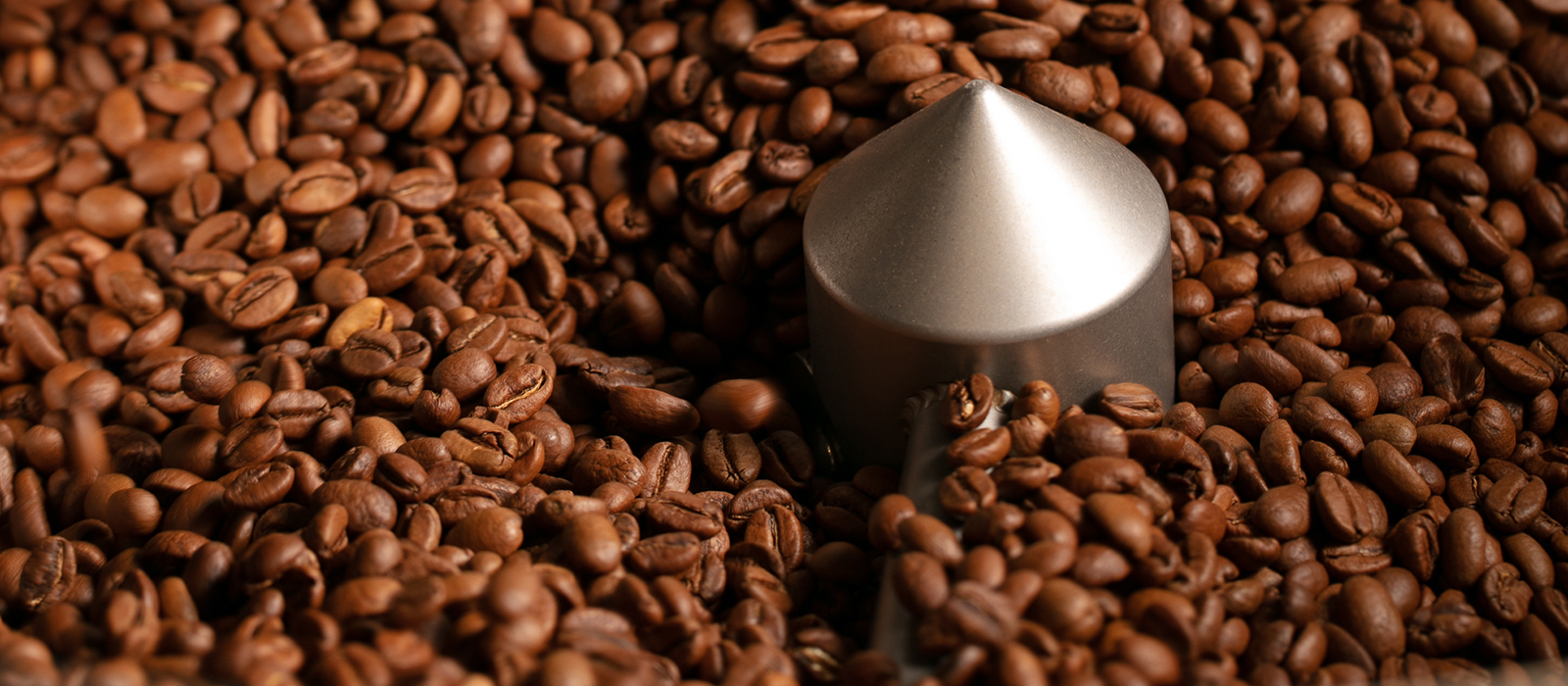
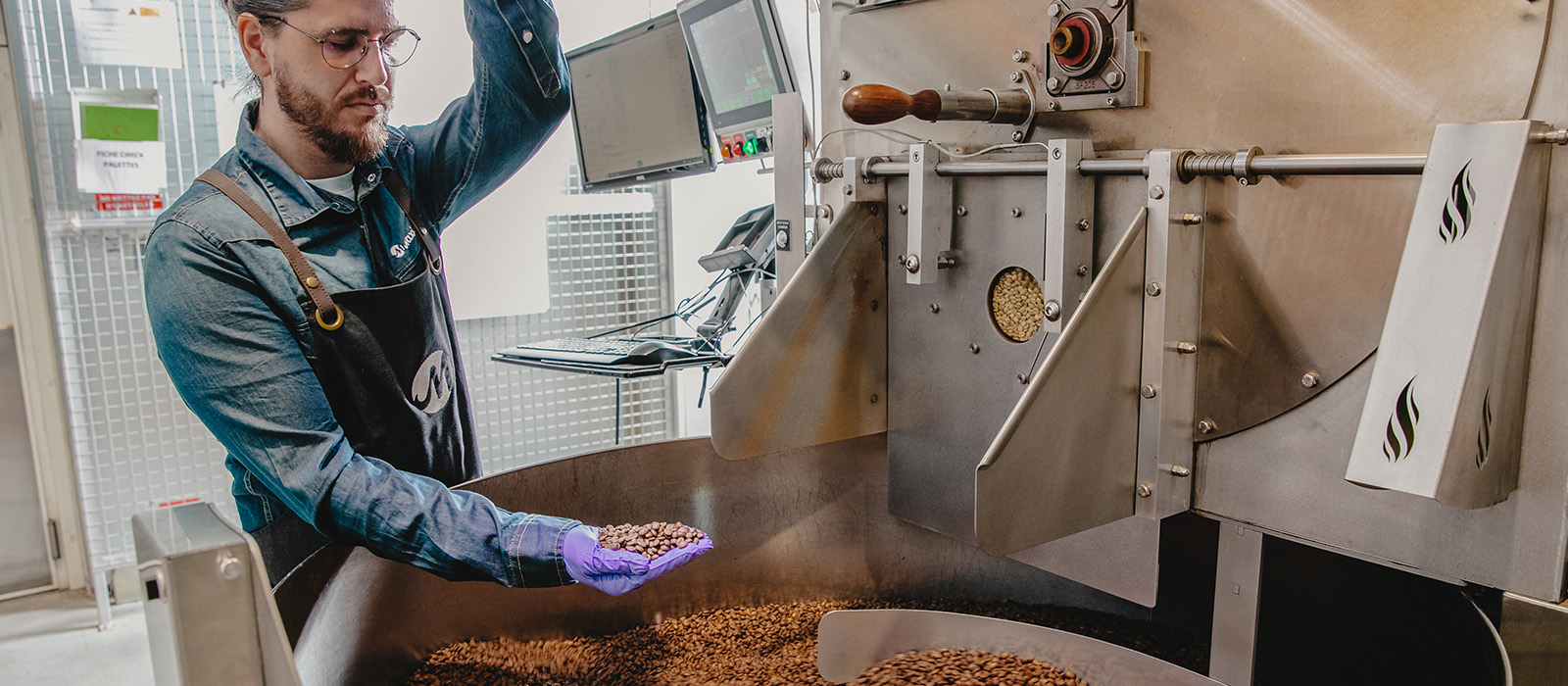
Roasting transforms raw, green beans into the aromatic, flavourful coffee we know and love. But in the specialty coffeeworld, roasting is as much an art as it is a science.
Each batch is treated like an experiment, with roasters analysing moisture, density, and bean size to determine the perfect roast profile. A few seconds too long, or a few degrees too hot, can make the difference between a cup bursting with tropical fruit notes and one dulled by bitterness.
Light to medium roasts are most common for specialty coffee beans, as they preserve the bean’s intrinsic characteristics, its terroir and variety. Unlike dark roasts, which tend to mask nuances with smoky or bitter flavours, lighter roasts highlight clarity and balance.
Modern roasters often use digital profiling tools and airflow control to replicate optimal results, ensuring consistency across batches while keeping the process deeply human and sensory. Many describe roasting as a dialogue between the bean and the roaster, a dance of heat, time, and intuition.
When it comes to specialty coffee, brewing is the final act of artistry, the moment when everything the farmer, processor, and roaster have done comes to life.
Different brewing methods highlight different aspects of a coffee’s flavour:
The key is precision, from grind size to water temperature and extraction time. Even the water’s mineral content can influence flavour perception.
At home, brewing specialty coffee beans becomes a ritual: a mindful moment of focus and curiosity. Each cup invites you to taste the world in a new way, with greater awareness of origin and craft.

Behind every bag of specialty coffee beans lies a network of people, farmers, cooperatives, exporters, roasters, and baristas, all connected by a shared commitment to quality and sustainability.
Unlike commercial coffee, which often relies on opaque supply chains, specialty coffee champions transparency. Roasters work directly with producers through direct trade relationships, ensuring fair prices and ethical practices.
Sustainability in specialty coffee goes beyond environmental concerns. It includes:
By choosing specialty coffee bean s , consumers actively support a more responsible and equitable coffee industry, one that values both people and planet.
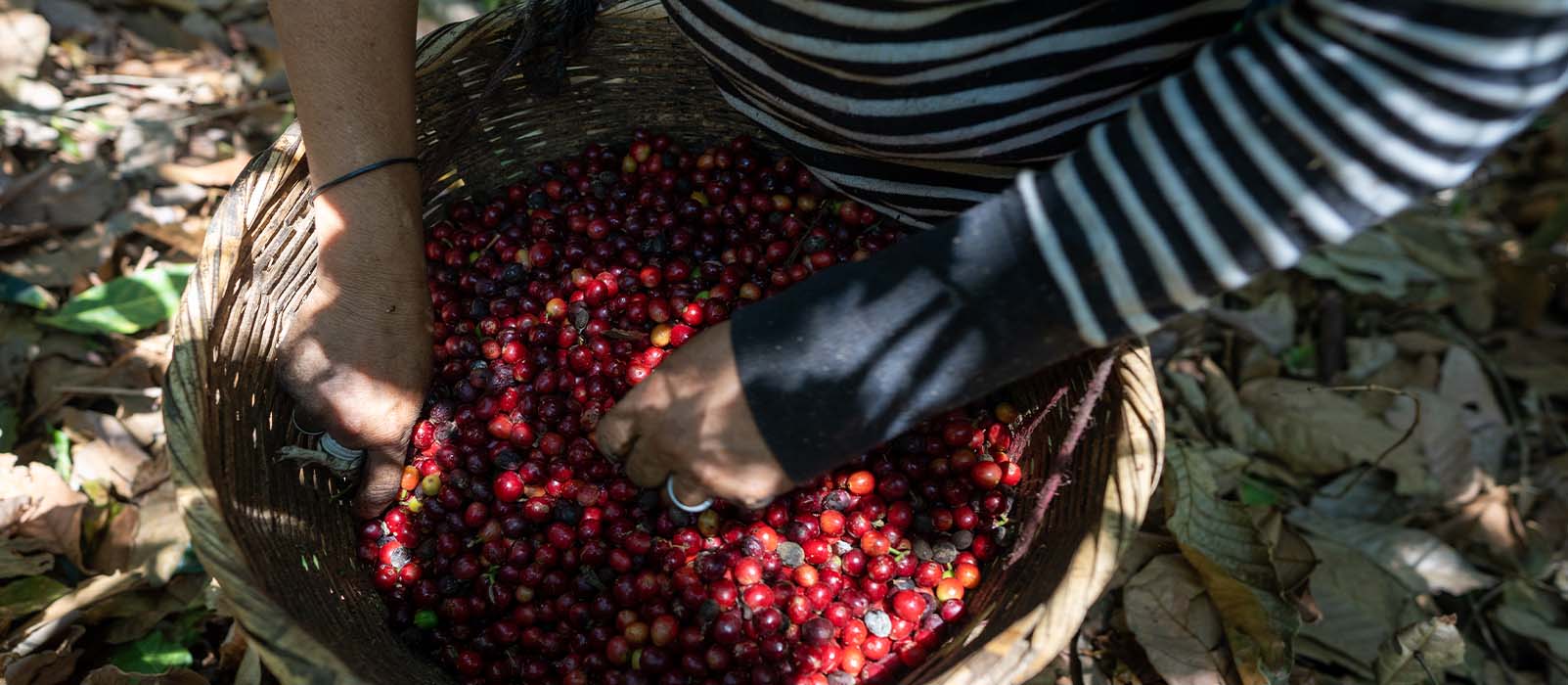
From its origins in the “Third Wave” movement of the early 2000s, the specialty coffee industry has grown into a worldwide phenomenon. Today, it’s not just a drink but a culture, complete with competitions, festivals, and a vibrant online community.
It reflects a broader cultural shift: a desire for authenticity, traceability, and mindful consumption, values that resonate deeply in today’s world.
Events like the World Barista Championship or the Coffee Masters showcase innovation and craftsmanship, pushing the boundaries of what coffee can be. Meanwhile, cafés have become spaces of connection and creativity, where design, storytelling, and sustainability intertwine.
The rise of coffee bean subscriptions, regular delivery, and curated tasting experiences reflects a demand for quality and discovery. Cities like London are now recognised for offering some of the best coffee in London and among the best UK coffee scenes globally.
Navigating the world of specialty coffee can feel overwhelming at first, but it’s also part of the fun. Here’s how to find your perfect cup:
Ultimately, there’s no single “best” coffee, just the one that makes you pause, smile, and savour the moment. Experimentation is key to finding your ideal cup.
The best specialty coffee beans in the UK are defined by three essential criteria: quality, traceability, and freshness. Unlike standard commercial coffee, specialty coffee beans are carefully sourced, scored 80+ points by the Specialty Coffee Association (SCA), and selected for their unique flavour profiles, reflecting their origin, variety, and processing method.
In the UK, the specialty coffee scene is particularly vibrant, with an emphasis on single-origin coffee beans, ethical sourcing, and precision roasting. The most sought-after beans often come from renowned coffee-growing regions such as Ethiopia, Colombia, Brazil, Guatemala, and Kenya, each offering distinct tasting notes, from bright citrus and floral aromas to rich chocolatey and nutty flavours.
At MaxiCoffee, the best specialty coffee beans in the UK are those that combine expert roasting with responsible sourcing. Beans are often freshly roasted in small batches, ensuring optimal aroma development and consistency in the cup. Many specialty roasters prioritise direct trade or long-term partnerships with producers, guaranteeing fair prices for farmers while maintaining exceptional quality standards.
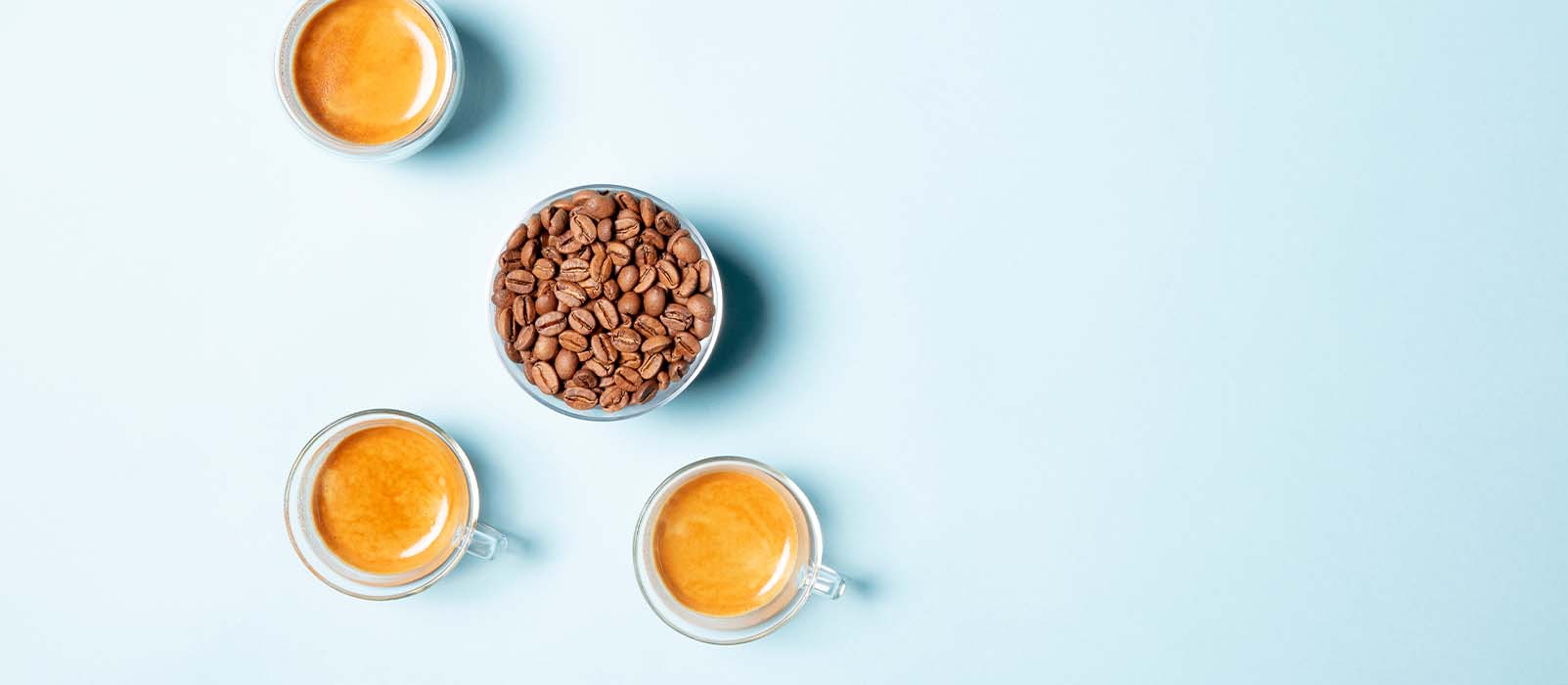
Choosing the best specialty coffee beans also depends on your brewing method. For espresso, medium to medium-dark roasts with chocolatey or caramel notes are often preferred. For filter coffee, including French press, V60, or Chemex, lighter roasts highlight acidity, fruitiness, and complexity. Matching the grind size and extraction method to the beans is key to unlocking their full potential.
Ultimately, the best specialty coffee beans in the UK are those that suit your personal taste while meeting high standards of quality and sustainability. Exploring different origins, roast profiles, and flavour notes is the best way to discover coffees that truly stand out, and turn every cup into a memorable experience.
Finding truly exceptional specialty coffee beans is easier than ever, especially in the UK, where the coffee scene has grown into one of the most dynamic in Europe.
You can source high-quality beans from:
When buying specialty coffee beans, always check:
Ultimately, the best beans are those that align with your taste and values, whether that means fruity Ethiopian naturals or smooth, chocolatey Colombian roasts.
Specialty coffee isn’t just about caffeine, it’s about connection. A connection to the coffee farmers who cultivate each harvest, to the craftsmanship of speciality coffee roasters, and to the flavours that reveal a coffee’s origin, variety, and terroir. Whether enjoyed as whole bean coffee or carefully prepared ground coffee, every cup tells a story that spans continents, climates, and generations.
In the world of specialty coffee beans, excellence is never accidental. It is patiently cultivated in the soil, refined through precise processing, and brought to life by expert roasting. From a seed planted on a high-altitude farm to the steam rising from your morning brew, every step is guided by quality, transparency, and respect for both people and the planet.
By choosing specialty coffee, you become part of a global community that values premium coffee, sustainability, and authenticity. You embrace a more mindful way of drinking coffee, one where flavour, ethics, and experience matter just as much as convenience. Whether you prefer grinding your beans fresh or opting for high-quality ground coffee tailored to your brewing method, specialty coffee invites you to slow down, explore, and truly savour what’s in your cup.
Discover all of our articles
Coffee Blend: the Art of Mixing and Roasting Different Coffee Beans ?