



Best French Coffee Brands are on the rise. While coffee is not grown in Europe, many beans are roasted locally…



Written by Alice
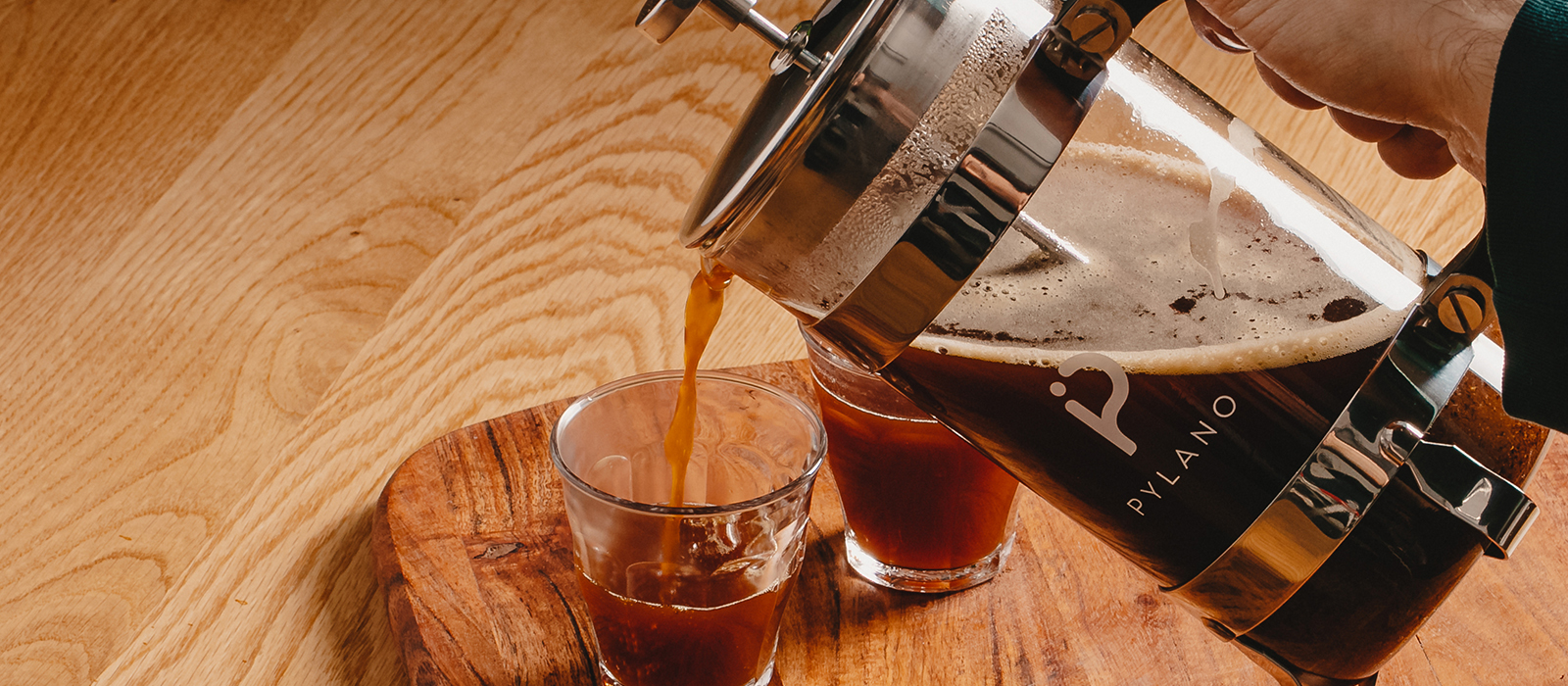
Reading time 11 minThe French press is one of the most iconic coffee makers in the world. It’s affordable, low-tech, wonderfully forgiving, and capable of producing a cup of coffee that is rich, aromatic, and full of the kind of natural oils that paper filters strip away. This guide will walk you through everything you need to know to choose the perfect French press for you.
Before we learn how to choose a French press, let’s traces its origins back to 19th-century France. Although a rudimentary patent was filed in France in 1852 by Henri-Otto Mayer and Jacques-Victor Delforge, the version we recognise today was patented by Italians Attilio Calimani and Giulio Moneta in 1929. The design, a cylindrical beaker, a plunger, and a mesh filter, has remained essentially unchanged for nearly a century.
Also known as a cafetière or plunger coffee maker, the French press gained popularity in the mid-20th century and has never looked back. In an era of pod machines and bean-to-cup brewers, its enduring appeal says a lot: sometimes the simplest method really is the best.
There are plenty of ways to make coffee at home, so why choose a French press over a moka pot, a pour-over, or an automatic machine? Here are the reasons it remains a firm favourite:
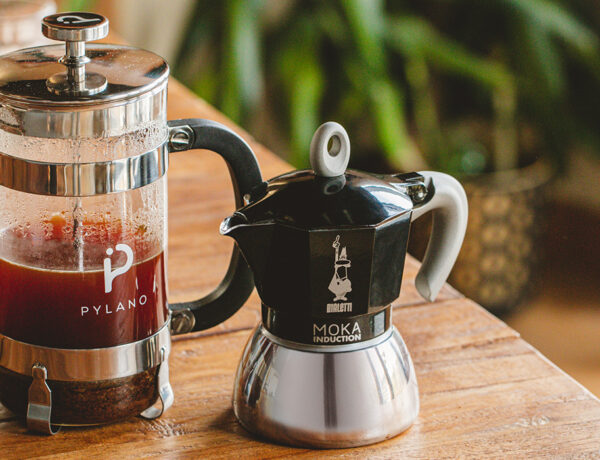
Compared to a moka pot, a French press produces a less concentrated, less acidic coffee with a heavier body and more present coffee oils. It’s a different drinking experience, not better or worse, just beautifully its own. See our guide to Moka Pot vs French Press to explore the differences in more detail.
Walk into any kitchen shop or browse online and you’ll find French presses ranging from £10 to over £100. Even the cheapest one will make you a decent cup. The price difference isn’t arbitrary: material, capacity, filter quality, and build all affect your daily experience. Here’s what actually matters when choosing a French press.
When selecting the best French press for your needs, the material of the beaker is a primary consideration that impacts heat retention, durability, and cost.
Glass is the classic choice. Borosilicate glass (the standard in quality French presses) is heat-resistant and durable enough for daily use. You can watch the coffee brew, which is satisfying. The downside is heat retention: glass cools quickly, so if you like to pour your coffee over 30–40 minutes, you’ll want to decant it into a thermal mug.
Double-wall stainless steel is the upgrade for people who drink slowly, travel with their press, or simply don’t want to worry about breakage. The insulation offers superior heat retention and keeps coffee hot for two hours or more, though note that the grounds will continue extracting if left in the press, eventually turning bitter. Always decant once you’ve plunged.
A Ceramic french press is beautiful, but needs preheating before use (cold stoneware will rapidly pull the temperature out of your brew water). Worth it if aesthetics matter to you: Le Creuset’s stoneware French press, for example, doubles as a piece of kitchen decor.
When choosing a small French press, a 350ml (12 oz) capacity is ideal for solo drinkers or those who need a portable coffee solution for travelling. These compact models typically serve 1 to 2 small cups. For couples or smaller households, a medium-sized press holding between 500 ml and 600 ml (17–20 oz) provides roughly 2 to 3 cups. It offers a balance between capacity and kitchen footprint.
The standard 1-litre / 34oz French press is the most popular size for a reason: it suits most households, makes enough for two or three generous mugs, and doesn’t take up an unwieldy amount of space. When in doubt, go for the standard size. If you frequently entertain guests or have a large family of coffee lovers, a large cafetière with a volume of 1.5 litres (50 oz) or more is the best fit. These models can easily provide 5 to 6 or more cups in a single brew.
The filter is what separates your coffee from the grounds — and filter quality varies far more than most people realise. A poor filter means sediment in your cup; a good one means a clean, grit-free finish while still allowing the oils through.
If you brew a full press and drink it within 15 minutes, heat retention barely matters: any glass press will do. But if you like to brew in the morning and sip over an hour, or if your kitchen is cold, it’s worth thinking about. Glass presses lose heat quickly. Preheat the beaker with hot water before brewing, and pour into an insulated mug if you’re not drinking immediately.
Single-wall stainless steel retains heat moderately well and feels warmer to hold than glass. Double-wall stainless steel is the best option for heat retention: it keeps your brew hot for up to two hours. Just remember to decant, as the grounds will keep extracting.
If you’re looking for a pre-selected list of recommendations for the best cafetières, we’ve got just the article for you.
This is where many people go wrong. A French press is only as good as the coffee you put in it and a few specific things make a big difference.
This is non-negotiable. Because the French press uses a mesh filter, fine grinds will pass through, creating a muddy, over-extracted cup. Aim for a coarse texture like sea salt. If buying pre-ground, ensure it is specifically labelled for French press or cafetière use.
Medium to dark roasts excel with the full-immersion method, which highlights their natural chocolatey and nutty oils. While light roasts can work, they require careful timing and ratios to prevent over-extraction.
Coffee oils oxidise quickly after grinding. For the best flavour, grind coffee beans to order or buy small quantities of pre-ground coffee, storing them in an airtight container away from light and heat.
MAXICOFFEE TOP COFFEE TIP
Grinding whole beans fresh with a burr grinder will significantly improve your experience.
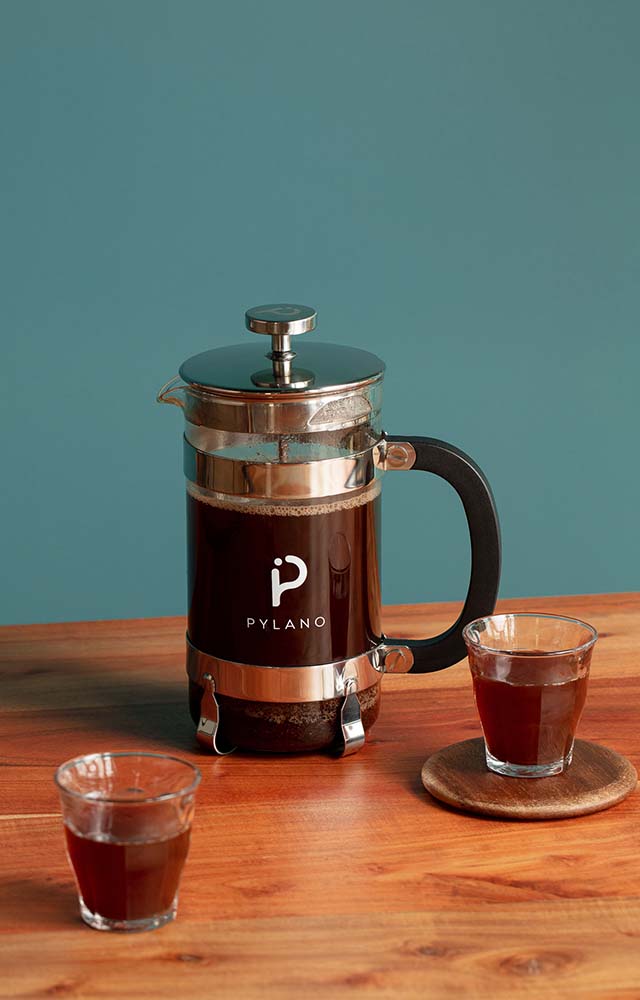
Once you’ve chosen your press, making great coffee is straightforward. Here’s the basic method:
Ingredients

Material


Preparation

Rinse the beaker with hot water and discard. This stabilises the temperature of the glass and prevents your brew water losing heat on contact.
Use a ratio of roughly 60–70g of coarsely ground coffee per litre of water (or about 1 tablespoon per 100ml). Adjust to taste.
Pour hot water (90–94°C — just off the boil) over the grounds. Stir gently to make sure all the coffee is saturated.
Place the lid on (plunger up) and leave to steep for 4 minutes. This is your brew time – longer steeping produces a stronger, more…
Press the plunger down with gentle, even pressure. Don’t force it, if it’s very hard to press, your grind may be too fine.
Don’t leave the coffee sitting on the grounds after plunging. Pour it into your cups or a thermal carafe straight away to stop the extraction.
MAXICOFFEE TOP COFFEE TIP
Water temperature is often overlooked. Boiling water (100°C) will scorch your coffee grounds and produce harsh, bitter flavours. Let your kettle sit for 30 seconds after boiling, or use a temperature-controlled kettle set to 92°C for best results.

The 1-litre (34oz / 8-cup) model is the most popular size and suits the majority of UK households. It makes enough for 3–4 generous mugs in one brew. If you’re looking for a cafetière for one cup or just brewing for yourself, a small French press of 350ml or 500ml (2-cup or 4-cup cafetière) is more practical and wastes less coffee. For families or entertaining, a large cafetière of 1.5 litres or above is the better choice.
Neither is objectively better: they solve different problems. A glass cafetière is more affordable, lets you see the brew develop, and is easy to clean. A metal cafetière — especially a stainless steel coffee press with double-wall insulation— keeps coffee hotter for longer and is far more durable. If you’re clumsy, travel with your press, or drink slowly, a stainless steel model is the better choice. If you drink quickly and prefer the classic aesthetic, a glass cafetière is excellent.
The five most common mistakes are: grinding too fine (always use a coarse grind), using boiling water (let it cool to 90–94°C), leaving coffee on the grounds after plunging (pour immediately), never cleaning the filter (disassemble and rinse weekly), and not preheating the beaker (always rinse with hot water first). Avoiding these five will transform the quality of your brew overnight.
Most French press filters screw or clip onto the end of the plunger rod. Unscrew or separate the components — typically a cross plate, a mesh filter screen, and a spring plate — clean each piece individually, then reassemble in reverse order. The mesh should sit flat and snug against the plunger disc with no gaps. A filter that’s loose or warped will let grounds bypass it, leaving sediment in your cup. If reassembly doesn’t feel secure, it’s time to replace the filter.
Use freshly coarse-ground coffee, water at 90–94°C, and a ratio of around 60–70g per litre. Preheat the beaker, add the grounds, pour the water, stir briefly, place the lid on with the plunger up, and steep for 4 minutes. Plunge slowly and pour immediately. The biggest single upgrade most people can make is switching from pre-ground to whole beans and grinding fresh: the difference in aroma and flavour is immediately noticeable.
There’s a reason the French press has been a kitchen staple for nearly a century: it’s simple, affordable, and consistently produces a delicious, full-bodied cup of coffee that more complex machines often struggle to match. Whether you go for a classic glass cafetière or a premium double-wall stainless steel press, the key is to match your choice to how you actually drink coffee and then use good, freshly ground beans to make the most of it.
Discover all of our articles